Bible Translation Accuracy: Is Translation Accurate? The Verification Process Explained
Summary
One of the most important—and understandable—questions people ask about Bible translation accuracy is this: Is the translation accurate? When Scripture is translated into new languages, especially for communities receiving it for the first time, accuracy is essential. Bible translation accuracy is not assumed; it is carefully protected through a rigorous, multi-layered verification process, similar to the standards described in How it works. This article explains how accuracy is ensured and why this process remains vital in 2026.
What Does “Accuracy” Mean in Bible Translation?
More Than Word-for-Word Translation
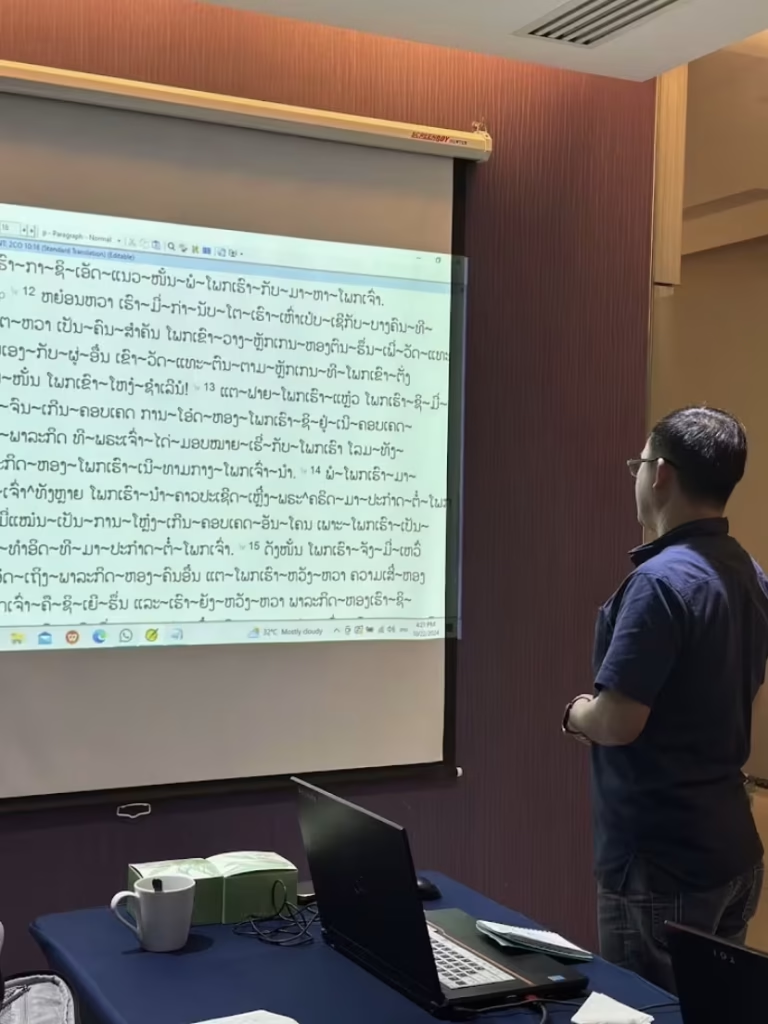
Accuracy in Bible translation is not about copying words mechanically from one language to another. Languages differ in grammar, structure, and cultural meaning. An accurate translation faithfully communicates the original meaning of Scripture in a way that makes sense in the target language. The goal is clarity without distortion—so readers understand God’s message as it was intended, not filtered through unfamiliar expressions, a concern echoed in Mapping the Multilingual Mosaic of East Asia.
Faithfulness to the Original Text
Bible translation begins with the original biblical languages—Hebrew, Aramaic, and Greek. Translators work carefully to preserve theological meaning, narrative flow, and key concepts, ensuring that the Word of His grace is communicated faithfully across cultures, as highlighted in And the Word of the Lord came to….
How Bible Translation Accuracy Is Verified
Step 1: Draft Translation by Mother-Tongue Translators
The process starts with translators who speak the target language as their first language. This ensures the translation sounds natural, clear, and culturally appropriate. These translators are trained to handle Scripture responsibly, balancing linguistic precision with readability, as seen in 25 Old Testament Stories.
Step 2: Consultant and Linguistic Review
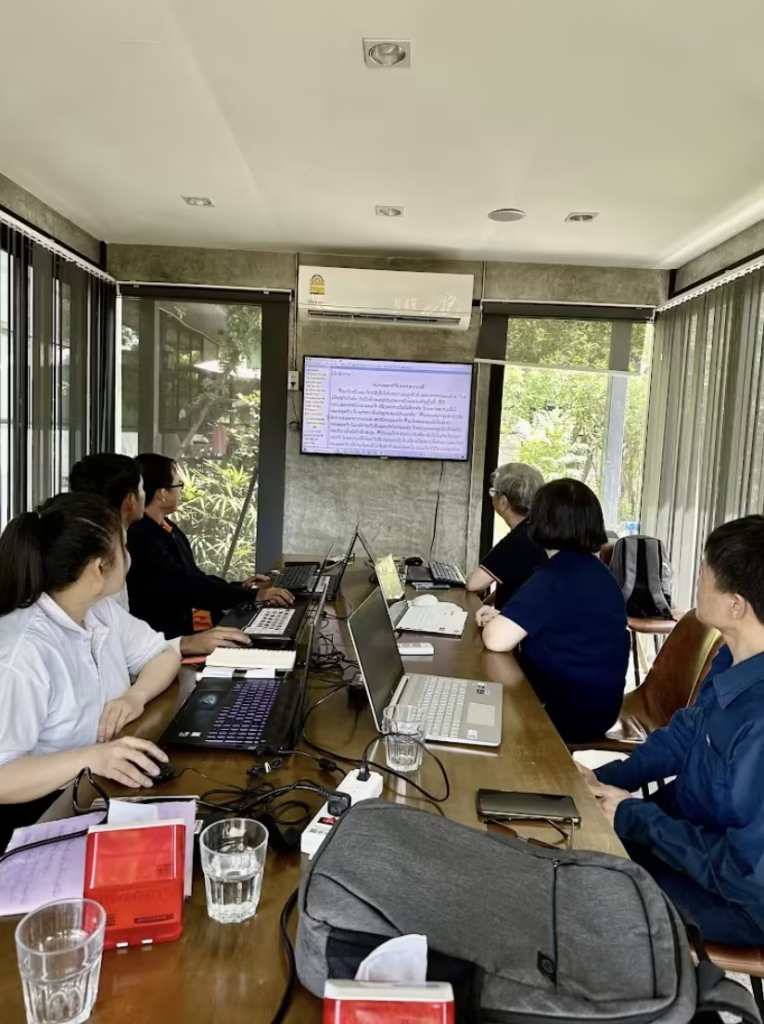
After the draft is completed, trained translation consultants and linguists review the text. They compare it with the original biblical languages, checking for accuracy, consistency, and theological clarity. This step is crucial for maintaining Bible translation accuracy and preventing misunderstandings or unintended shifts in meaning, a process also reflected during A Long-held Dream Fulfilled.
Step 3: Community Checking
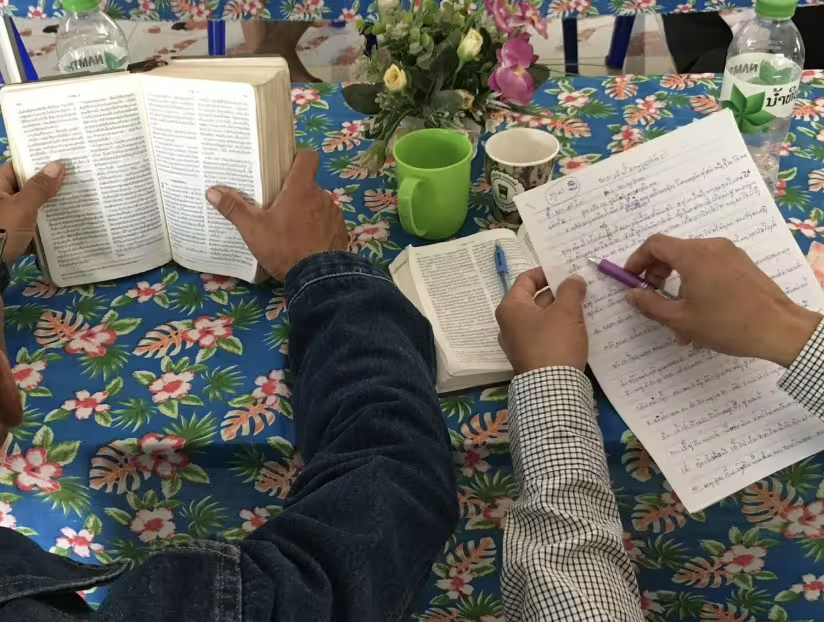
Next, the translation is tested within the community. Local speakers read or hear the Scripture and provide feedback. This helps identify unclear phrasing, awkward expressions, or cultural misinterpretations. Community checking ensures that Scripture truly communicates to the people it is meant for—not just on paper, but in real life, as demonstrated in I want Jesus to save me from my lostness.
Step 4: Back Translation and Final Approval
In many cases, the translated text is translated back into a major language for further review. This “back translation” allows reviewers to see whether the original meaning has been preserved. Only after passing all verification stages is the translation approved for publication or distribution, aligning with global best practices outlined by the United Bible Societies.
Why Accuracy Builds Trust and Impact
Protecting the Integrity of Scripture
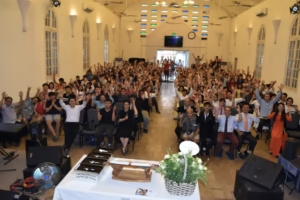
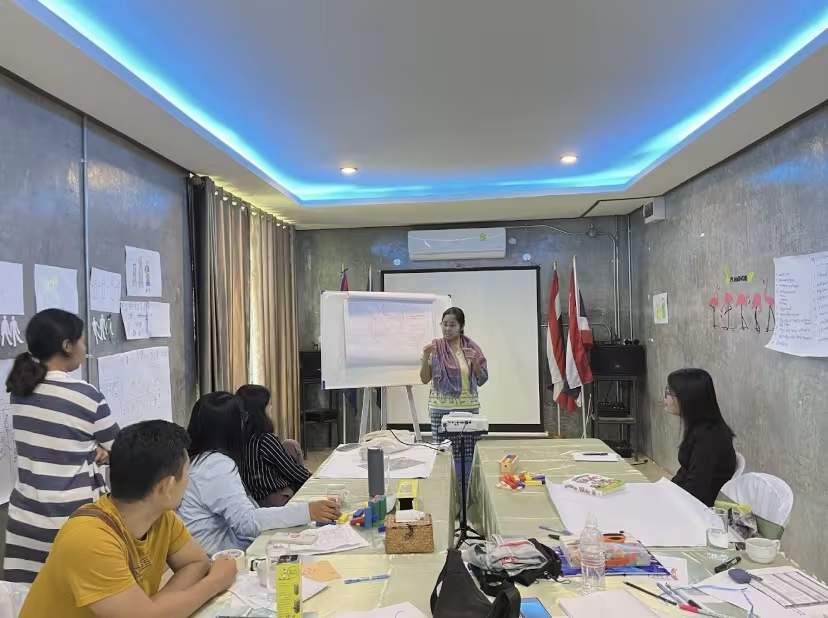
Accuracy safeguards the integrity of God’s Word. Communities receiving Scripture for the first time deserve a translation they can trust—one that reflects biblical truth without confusion or compromise. This careful process ensures that people encounter Scripture with confidence, not doubt, supporting the vision of All Access Goals: Scripture Without Borders.
Leading to Gratitude, Wonder, and Worship
When communities hear Scripture in their heart language—and understand it clearly—the response is often profound. People experience Gratitude, Wonder, and Worship as God’s Word speaks directly to their lives and experiences, a transformation also explored in Voices in the Void: Seeking Spiritual Soundbites in Asia.
Why Verification Still Matters in 2026
Technology Helps, but People Ensure Accuracy
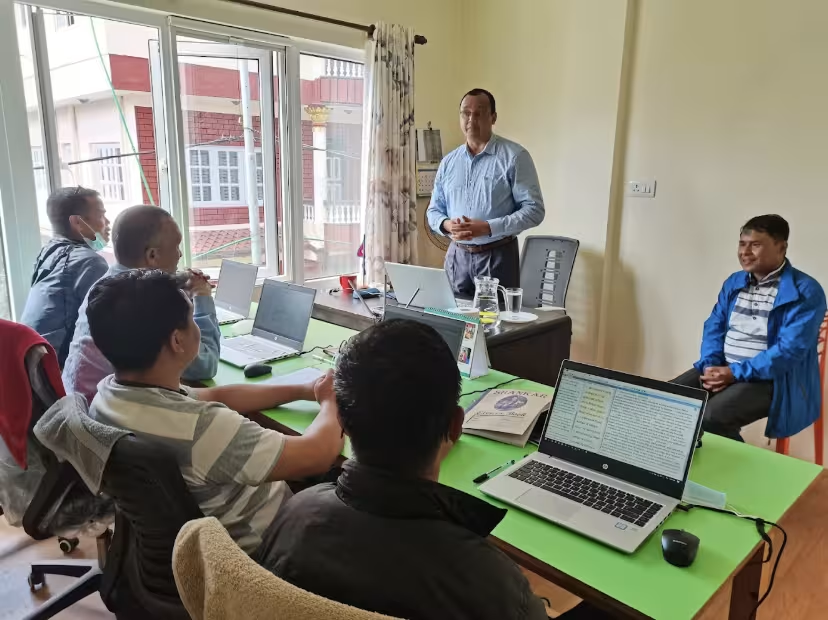
While translation tools and software have improved, human review remains essential. Language is deeply relational and cultural, and accuracy depends on collaboration between linguists, theologians, and local communities committed to the mission of illumiNations Asia.
A Long-Term Commitment to Faithfulness
Bible translation accuracy is not rushed. It reflects a long-term commitment to serving communities with excellence, humility, and care—ensuring Scripture remains trustworthy for generations.
Learning
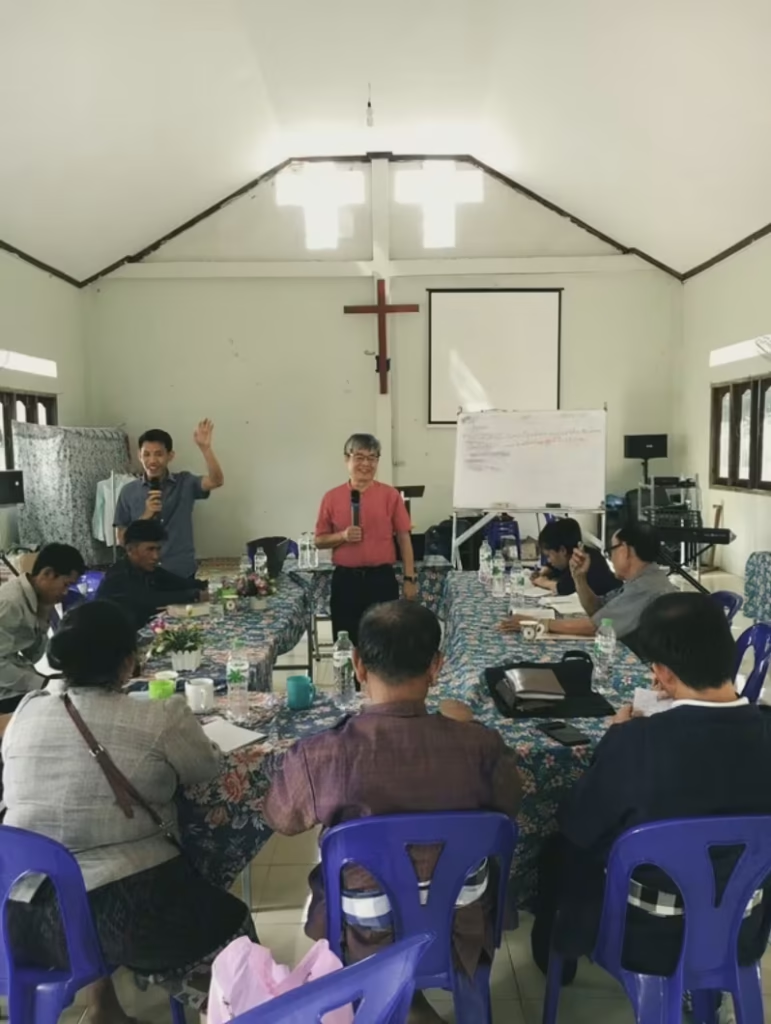
So, is Bible translation accurate? Yes—because accuracy is intentionally built into every stage of the process. Through careful drafting, expert review, community involvement, and verification, Bible translation organizations protect the faithful transmission of God’s Word. In 2026, this commitment ensures that the Word of His grace continues to reach every language with clarity—inviting people everywhere into gratitude, wonder, and worship.
Share:
More Posts