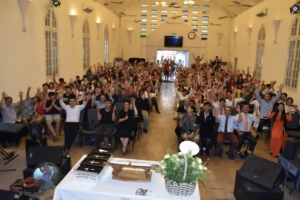
Cultural Preservation Through Translation: How Bible Translation Protects Minority Cultures
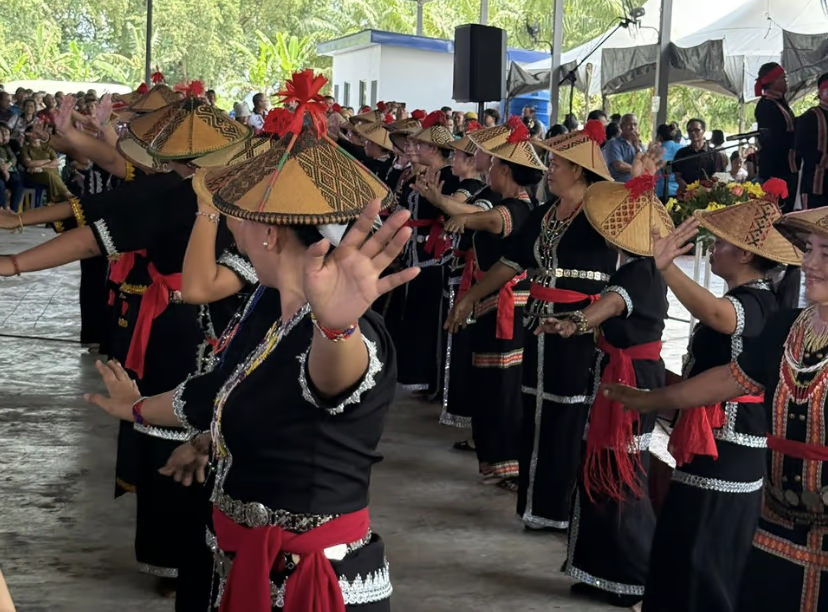
Summary
When people think about bible translation, they often focus on spiritual impact alone. Yet one of the most significant—and often overlooked—outcomes of translation is cultural preservation. For minority communities around the world, bible translation plays a vital role in protecting language, identity, and heritage while making Scripture accessible, as reflected in impact stories from minority language communities.
In 2026, as thousands of languages face the risk of extinction, bible translation continues to serve not only faith communities but cultures themselves, aligning with the broader mission of Illuminations Asia’s work across Asia.
The Link Between Language and Culture

Language Is the Heart of Cultural Identity
Language carries history, values, worldview, and memory. When a language disappears, stories, traditions, and ways of understanding the world often disappear with it. Many minority cultures today face pressure from globalization, urbanization, and dominant national languages.
Bible translation helps counter this loss by valuing and strengthening minority languages rather than replacing them, as seen in how the Word of the Lord came to previously unwritten languages.
Translation Affirms Cultural Worth
When Scripture is translated into a minority language, it sends a powerful message: your language matters. Translation affirms that people do not need to abandon their identity to encounter God. Instead, God meets them within their own cultural framework.
This affirmation is a key aspect of cultural preservation, as illustrated in a long-held dream fulfilled through Scripture access.
How Bible Translation Protects Minority Cultures
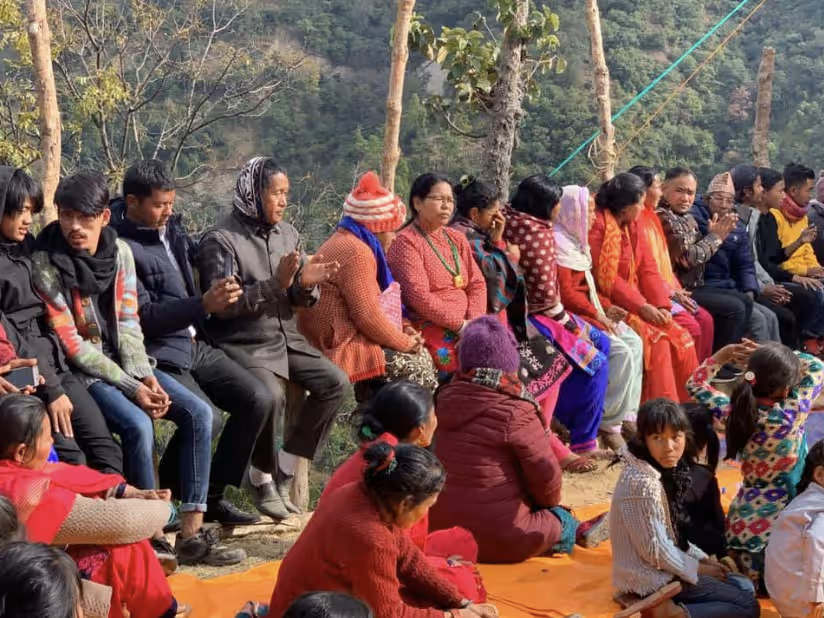
Creating Written and Oral Language Resources
Many minority languages have never been written down. Bible translation often involves developing alphabets, grammar systems, and literacy materials. These tools become long-term resources for education, storytelling, and cultural continuity, supported by processes outlined in How Bible Translation Works.
For oral cultures, translation also includes audio Scripture and oral storytelling, preserving linguistic patterns and expressions that might otherwise be lost.
Passing Culture to the Next Generation
When children grow up hearing Scripture in their heart language, they also grow up hearing their culture honored. Translation helps ensure that younger generations continue to use and value their ancestral language rather than replacing it entirely with a dominant one.
This intergenerational transmission is essential for cultural survival, as reflected across Illuminations Asia’s impact story archive.
Translation Is Not Cultural Replacement
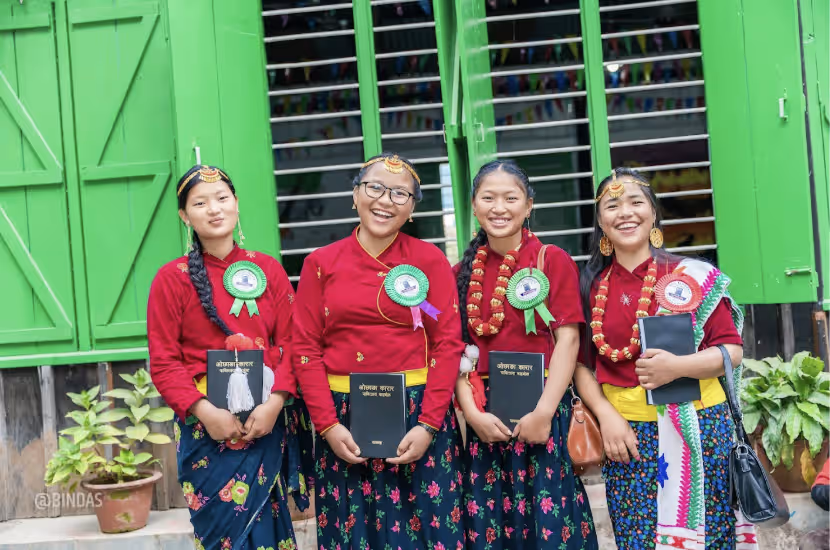
Respecting Local Worldviews
One common misconception is that Bible translation imposes outside culture. In reality, careful translation work seeks to communicate biblical meaning using local metaphors, expressions, and storytelling styles.
Rather than erasing culture, translation engages it—allowing Scripture to speak through familiar cultural forms, as explored in continuing to sow in different ways.
Encountering the Word of His Grace in Context
When people encounter the Word of His grace in their own language, it resonates deeply because it connects with lived experience. Faith becomes something understood from within, not imposed from outside.
This contextual understanding strengthens both spiritual life and cultural confidence.
Cultural Preservation Leads to Gratitude, Wonder, and Worship

When minority communities receive Scripture in their heart language, the response is often emotional and communal. People recognize that their language—sometimes spoken by only a few thousand—is seen, valued, and preserved.
This realization frequently leads to Gratitude, Wonder, and Worship, as seen in testimonies like I want Jesus to save me from my lostness.
Translation becomes an act of dignity.
Why This Matters in 2026
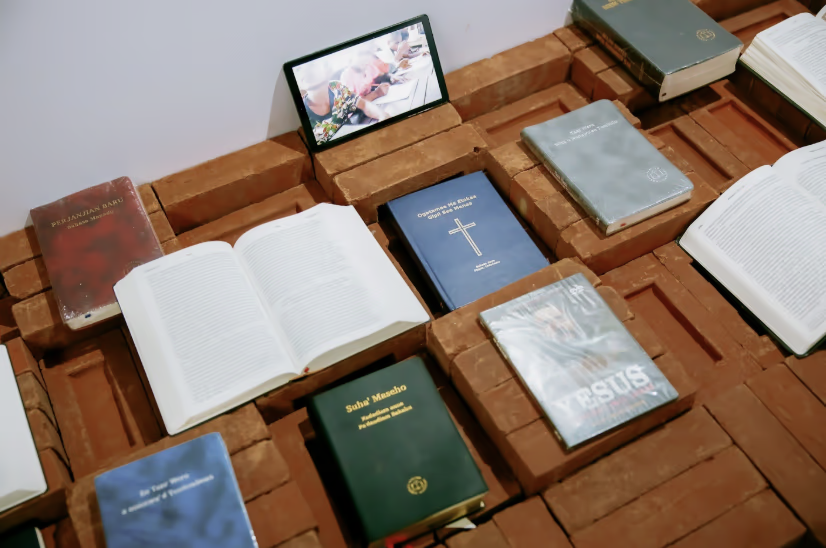
Languages Are Disappearing Faster Than Ever
Linguists estimate that nearly half of the world’s languages are at risk of disappearing within this century. Many of these are minority languages spoken by small communities, as highlighted in global research by UNESCO on endangered languages.
Bible translation contributes to cultural preservation by documenting, strengthening, and sustaining these languages in meaningful, living ways.
Faith and Culture Can Thrive Together
In 2026, bible translation stands at the intersection of faith and cultural responsibility. It demonstrates that spiritual mission and cultural preservation are not competing goals—they are deeply connected, supported by opportunities to participate through Join the Movement.
Learning
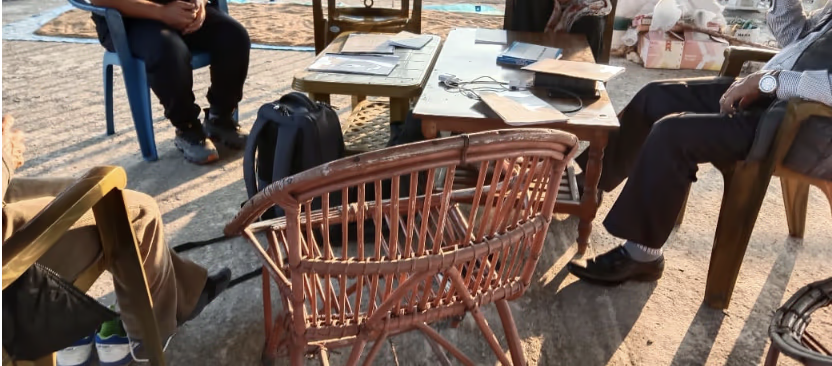
Bible translation does more than provide access to Scripture. It protects languages, affirms identity, and preserves cultural heritage for generations to come. Through translation, minority communities encounter God’s Word in a way that honors who they are—inviting them to experience the Word of His grace within their own cultural voice. In a world of rapid change, bible translation remains a powerful force for cultural preservation, leading communities into gratitude, wonder, and worship—spoken in the language of their ancestors.
Share:
More Posts