Bible Translation Process: Meeting the Scholars Who Ensure Scripture Quality
Summary
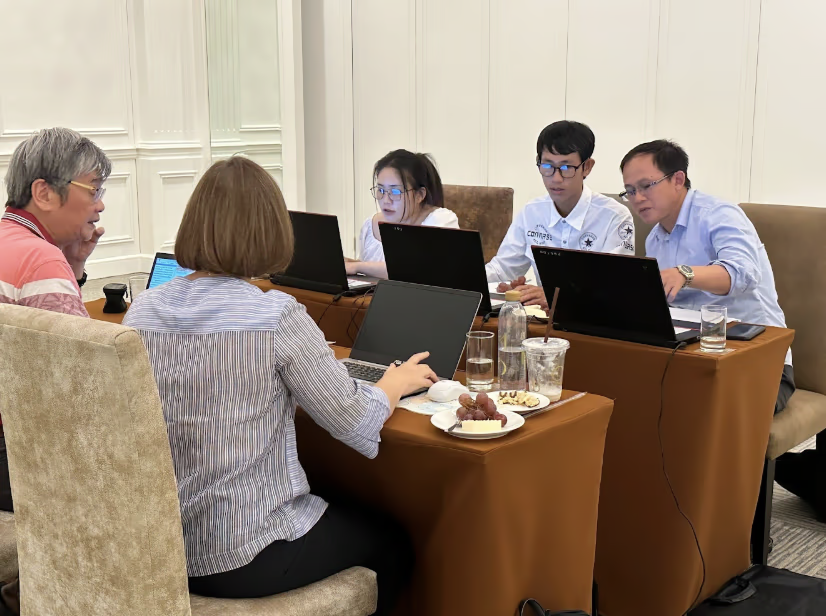
When people think about Bible translation, they often imagine words being transferred from one language to another. In reality, the bible translation process is a collaborative effort involving scholars, linguists, and local translators working together to ensure Scripture is accurate, clear, and faithful, as outlined in How it works. Behind every translated verse is a team of experts committed to preserving the integrity of God’s Word.
This article introduces the people behind the process and explains how their work safeguards Scripture quality in 2026.
Who Are the Scholars Behind Bible Translation?

Biblical Scholars and Theological Advisors
Biblical scholars play a vital role in Bible translation. Trained in Hebrew, Aramaic, and Greek, they ensure translations remain faithful to the original biblical texts. Their expertise helps clarify complex theological concepts and prevents subtle shifts in meaning that could affect understanding, echoing concerns raised in Bible Translation Accuracy: Is Translation Accurate?.
These scholars help protect the transmission of the Word of His grace, ensuring it is communicated accurately across cultures.
Linguists and Language Specialists
Linguists focus on how languages work—grammar, structure, and meaning. In the bible translation process, they help bridge the gap between ancient biblical languages and modern, often unwritten languages, a challenge explored in Mapping the Multilingual Mosaic of East Asia.
Their work ensures that Scripture sounds natural in the target language while remaining true to the original message.
Mother-Tongue Translators
Local translators who speak the target language as their first language are at the heart of the process. They bring cultural insight, idiomatic understanding, and lived experience that outside scholars cannot replicate, as seen in 25 Old Testament Stories.
This partnership between scholars and local translators ensures Scripture feels both accurate and personal.
How the Bible Translation Process Protects Quality
Drafting and Internal Review
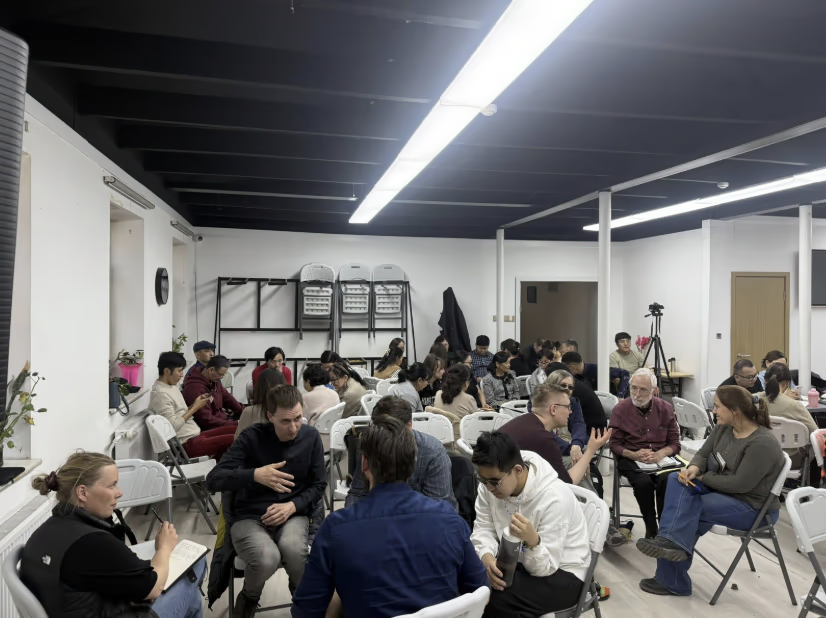
Translation begins with careful drafting by mother-tongue translators. Scholars and linguists then review the draft, checking for accuracy, clarity, and theological consistency. This collaborative review prevents errors and strengthens the translation before it reaches the community, a process reflected in A Long-held Dream Fulfilled.
Community Testing and Feedback
Next, translated Scripture is shared within the local community. People listen, read, and respond, helping identify unclear or unnatural phrasing. Community feedback ensures the translation communicates clearly and respectfully within its cultural context, as demonstrated in I want Jesus to save me from my lostness.
Consultant Checks and Final Approval
Trained translation consultants conduct detailed checks against the original biblical texts. This step confirms that meaning has been preserved and that the translation meets international quality standards before publication, aligning with practices described by the United Bible Societies.
Why This Process Matters
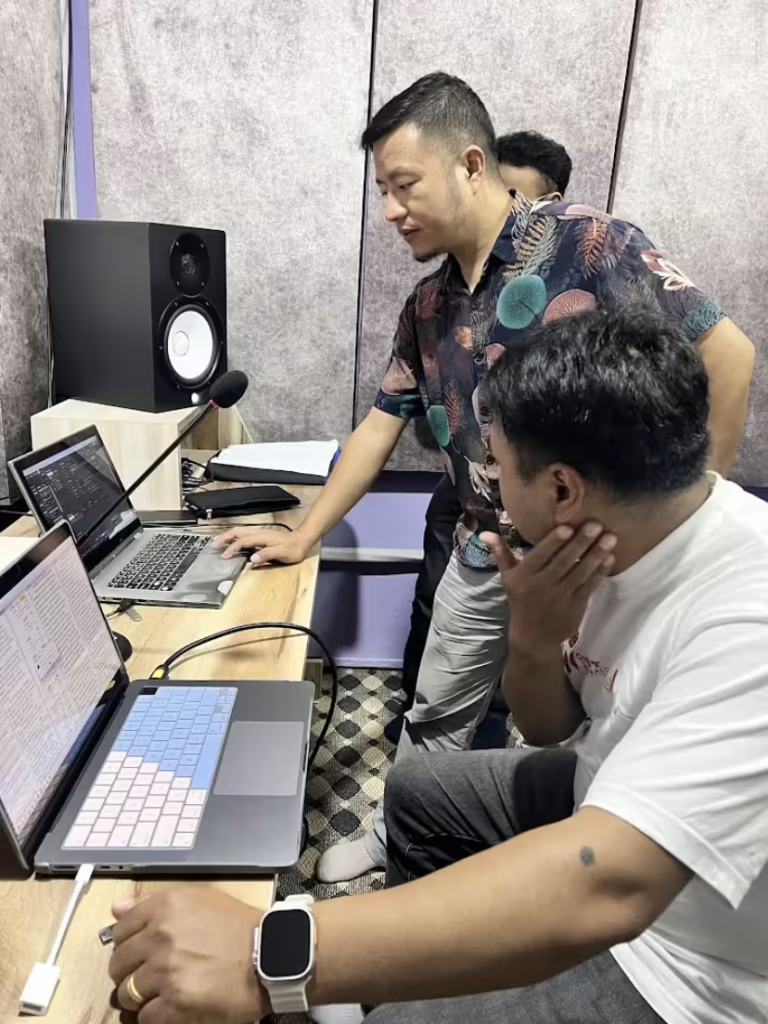
Quality Builds Trust
High-quality Scripture builds trust among new readers and listeners. Communities receiving Scripture for the first time deserve a translation they can rely on—one that reflects biblical truth without confusion.
Accuracy and clarity help foster deeper engagement, discipleship, and long-term faith growth, supporting the vision behind All Access Goals: Scripture Without Borders.
Scholars Serve the Church, Not Themselves
Bible translation scholars work behind the scenes, often unnoticed. Their goal is not recognition but service—helping communities encounter God’s Word in a way that speaks to their hearts.
When Scripture is understood clearly, it often leads to Gratitude, Wonder, and Worship, themes echoed throughout Voices in the Void: Seeking Spiritual Soundbites in Asia.
Beyond Text: Scripture That Lives in Community
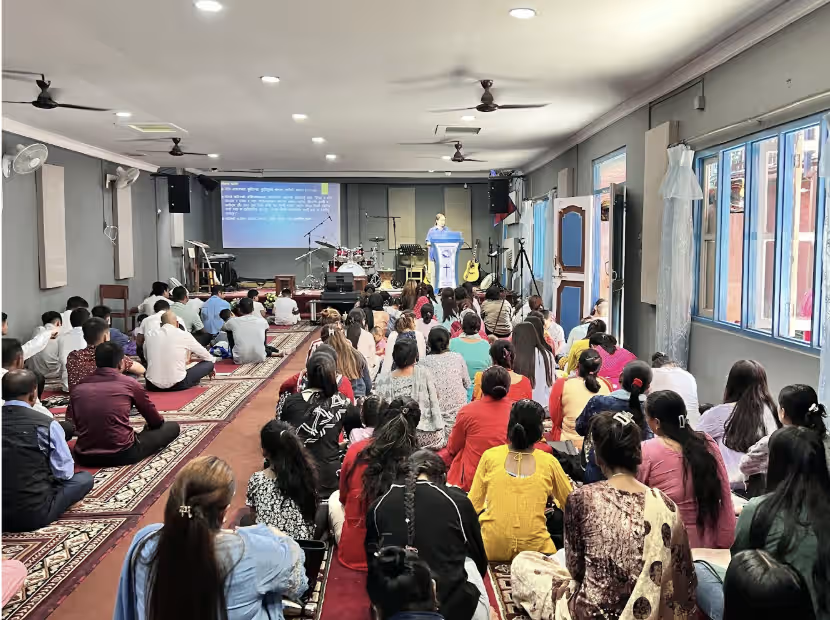
Supporting Oral and Digital Scripture
Scholars also help guide how Scripture is shared—through audio recordings, storytelling formats, and digital platforms. These tools ensure Scripture reaches people regardless of literacy level, furthering the mission of illumiNations Asia.
A Legacy for Future Generations
A carefully translated Bible becomes a foundation for churches, families, and future leaders. The bible translation process is an investment not just in today’s readers, but in generations to come.
Learning
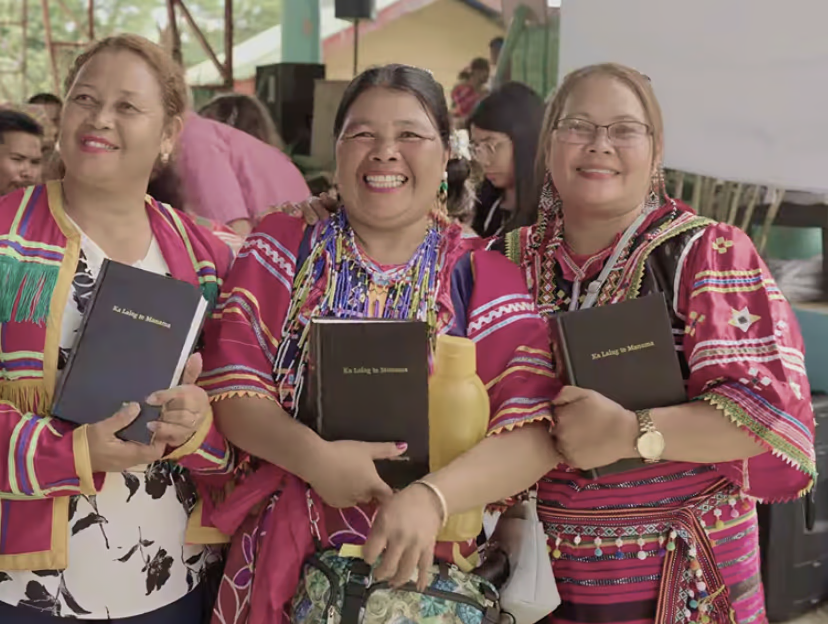
Meeting the scholars behind Bible translation reveals the depth of care woven into every verse. Through collaboration, review, and community involvement, the bible translation process ensures Scripture quality remains high and faithful. This commitment helps bring the Word of His grace to life—inviting people everywhere into gratitude, wonder, and worship through God’s Word in their own language.
Share:
More Posts