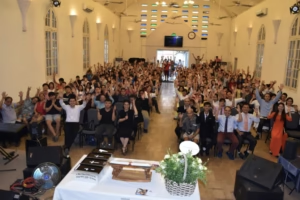
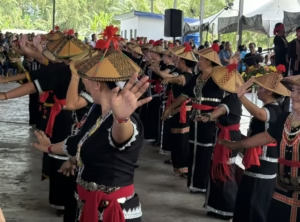
Bible Translation Mission: Why Bible Translation Is Still Necessary in 2026

Summary
In an age of artificial intelligence, instant communication, and digital Bibles available at the tap of a screen, many people ask a sincere question: Is Bible translation still necessary in 2026? The answer is a resounding yes. The bible translation mission remains one of the most critical efforts in global Christianity, not because technology has failed, but because language is deeply human—and deeply spiritual, a conviction that lies at the heart of illumiNations Asia.
The Reality: Millions Still Lack Scripture in Their Heart Language
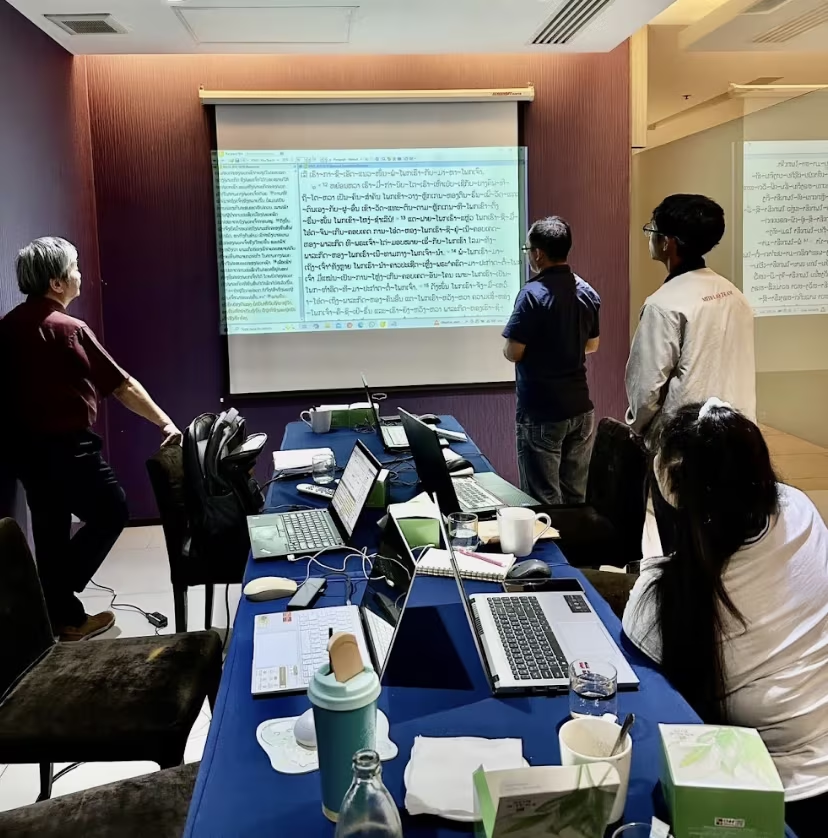
Bible Access Is Not Yet Universal
While the Bible has been translated into thousands of languages, more than 1.5 billion people still do not have access to the full Bible in a language they understand best. For many communities, especially in remote or marginalized regions, Scripture exists only in national or trade languages—if it exists at all, a challenge reflected in the ongoing pursuit of the All Access Goals.
Language is more than vocabulary. It carries emotion, identity, worldview, and culture. Without Scripture in their heart language, people often struggle to fully grasp God’s message of salvation, hope, and grace, as seen repeatedly in stories shared across Impact Stories.
Understanding God Through the Language of the Heart
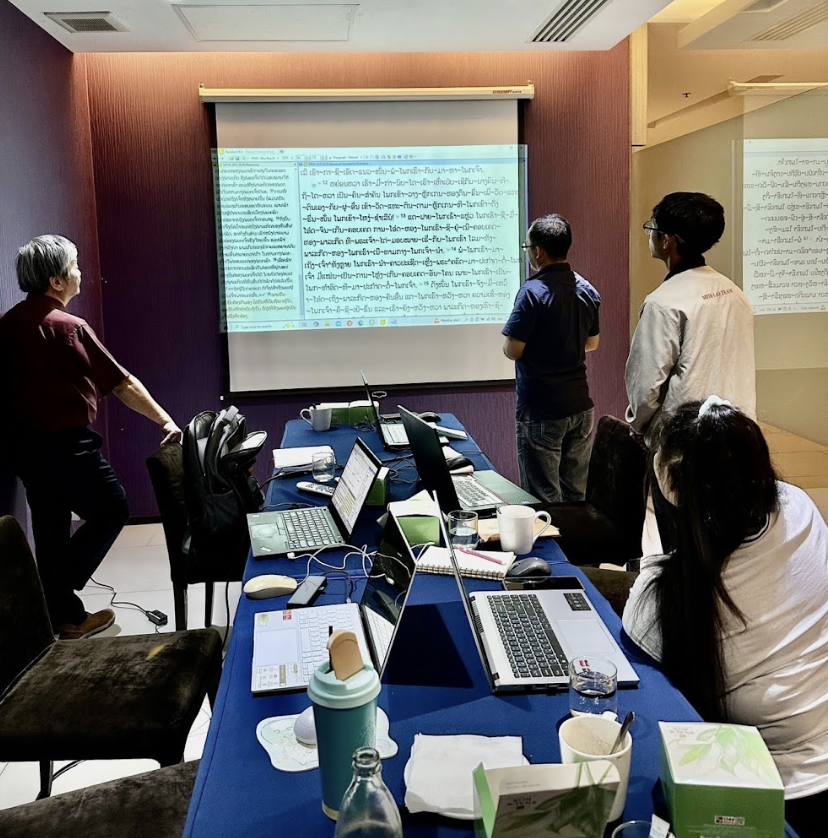
Research consistently shows that people engage more deeply with faith when Scripture speaks in the language they think, pray, and dream in. This is why Bible translation is not simply an academic exercise—it is a spiritual bridge, supported by intentional processes explained in How It Works.
Why Bible Translation Still Matters in 2026
The Gospel Is Meant for Every People Group

The Great Commission calls believers to make disciples of all nations. That includes every ethnic group and language community. Bible translation ensures that the message of Christ is not filtered, diluted, or misunderstood due to linguistic barriers, especially among minority communities highlighted during Pentecost 2025.
In 2026, many remaining untranslated languages belong to oral cultures or minority groups facing social and economic challenges. Reaching them requires intentional, culturally sensitive translation efforts, such as those described in the Join Movement.
The Word of His Grace Changes Lives

Silhouettes of two men raising their hands in prayer with mountains in the background supporting Bible translationOne of the most compelling reasons the bible translation mission continues is the transformative power of Scripture itself. When people encounter the Word of His grace in their own language, it brings clarity, dignity, and spiritual awakening.
Stories from translation communities consistently reveal the same pattern: increased understanding, stronger faith, healthier churches, and deeper discipleship—outcomes echoed by the global Bible translation movement represented by the Wycliffe Global Alliance.
Beyond Translation: Gratitude, Wonder, and Worship
Translation Fuels Worship, Not Just Literacy

The 2026 theme of Gratitude, Wonder, and Worship reflects the natural response of communities receiving Scripture for the first time. Gratitude emerges as people realize God sees and values their language. Wonder follows as they encounter biblical truths in familiar words. Worship deepens as faith becomes personal and communal, often leading communities to prayer initiatives such as Pray for Zero.
Bible translation does not end with a printed or digital text. It leads to songs written in local languages, prayers shaped by culture, and churches grounded in Scripture rather than secondhand teaching.
Faith That Endures Across Generations
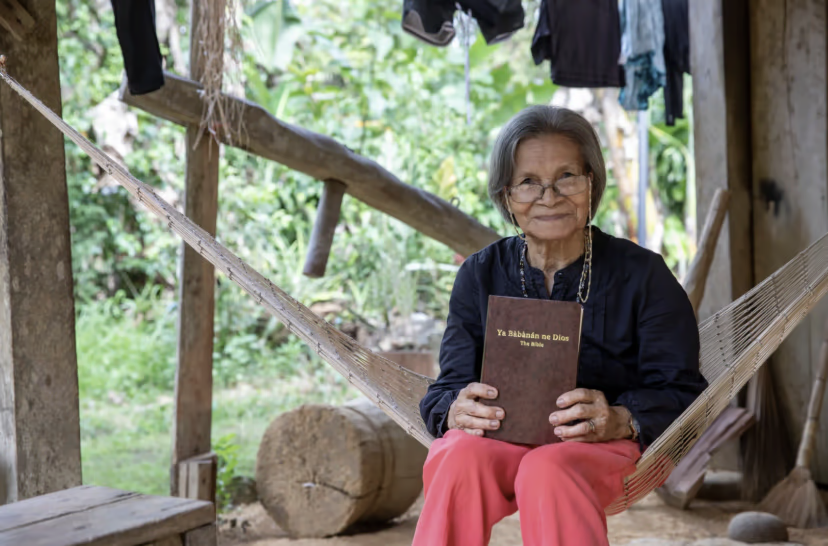
When Scripture is available in a heart language, it strengthens faith transmission across generations. Children grow up hearing Bible stories at home. Families pray together using words that feel natural. Churches become rooted and resilient, sustained by long-term commitment made possible through faithful partners who choose to Give.
The Mission Is Ongoing—and Urgent

Despite technological advances, Bible translation remains a long-term commitment requiring collaboration, prayer, and support. Languages evolve. New communities are identified. Political and social realities change. The mission must continue adapting while staying faithful to its purpose.
In 2026, the question is not whether Bible translation is still necessary, but whether the global Church will continue to respond with obedience and compassion.
Learning
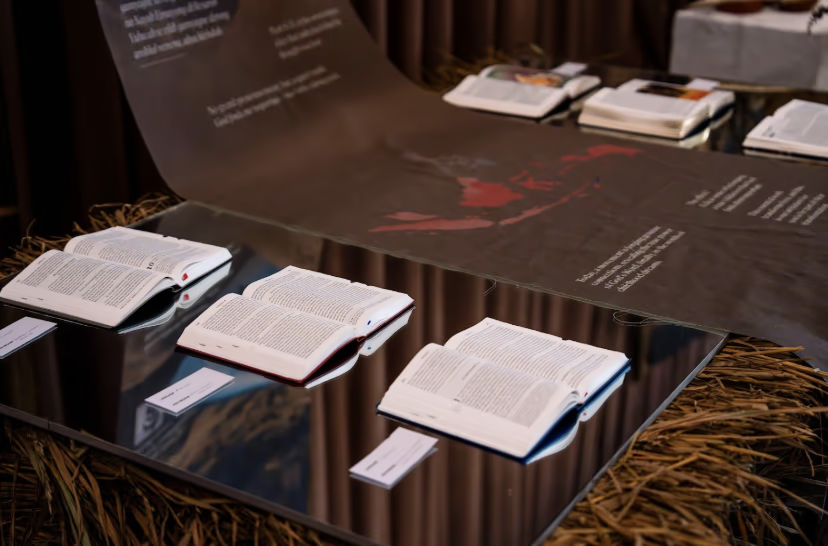
The bible translation mission is far from finished. As long as there are people who cannot encounter God’s Word in the language of their heart, the work remains essential. Through Scripture, the Word of His grace continues to invite the world into gratitude, wonder, and worship—one language at a time.
Share:
More Posts