Remote Translation Work: Behind the Screens—Tech for the Great Commission
Summary
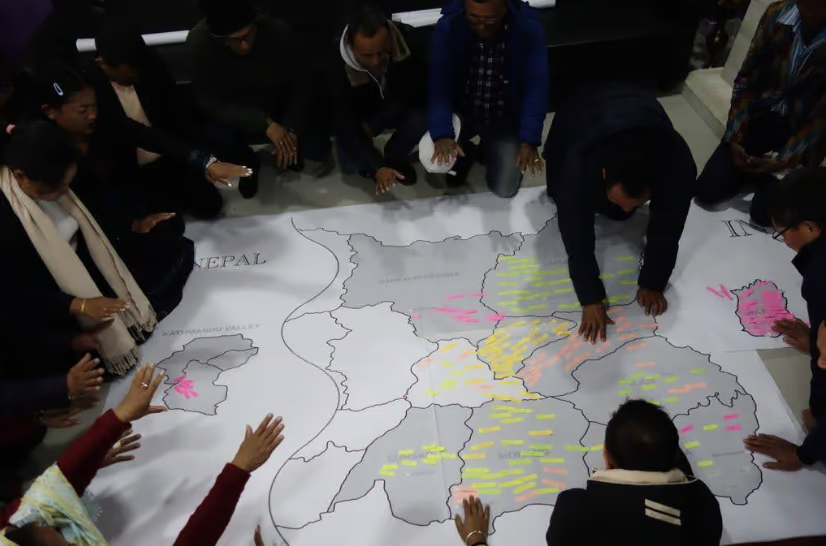
When people imagine Bible translation, they often picture teams living in remote villages, working face to face with local communities. While this still happens, much of today’s translation effort happens quietly—behind screens, across time zones, and through digital tools. Remote translation work has become a vital part of fulfilling the Great Commission, enabling global collaboration without sacrificing accuracy or care, echoing the vision behind Mapping the Multilingual Mosaic of East Asia.
In 2026, translation software and tech in missions allow Bible translation to move forward even when distance, borders, or circumstances limit physical presence, advancing the mission championed by All Access Goals: Scripture Without Borders.
What Is Remote Translation Work?
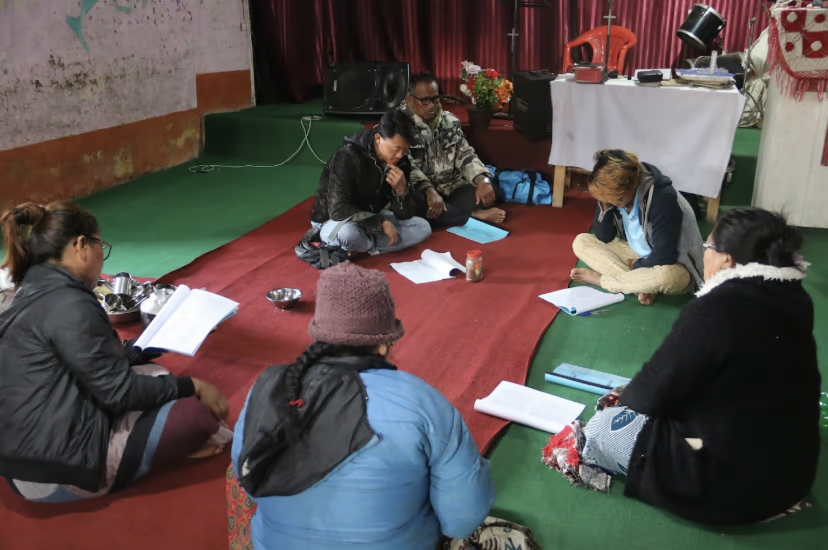
Collaboration Without Borders
Remote translation work refers to translation tasks carried out by distributed teams who collaborate digitally rather than in a single physical location. Translators, linguists, consultants, and reviewers may be based in different countries, yet work together in real time.
This approach allows experts to contribute their skills regardless of geography—bringing the right people to the task, not just the nearest ones, a practice increasingly common within How Bible Translation Works.
How It Fits into Bible Translation
Remote work supports many stages of the translation process, including:
- Drafting and reviewing translated text
- Consultant checks against original biblical languages
- Terminology consistency and quality assurance
- Audio review and Scripture engagement planning
Local community involvement remains essential, but remote collaboration strengthens the overall process, as seen during Pentecost 2025: When Heaven Meets Earth in Asia.
Why Remote Translation Work Matters Today
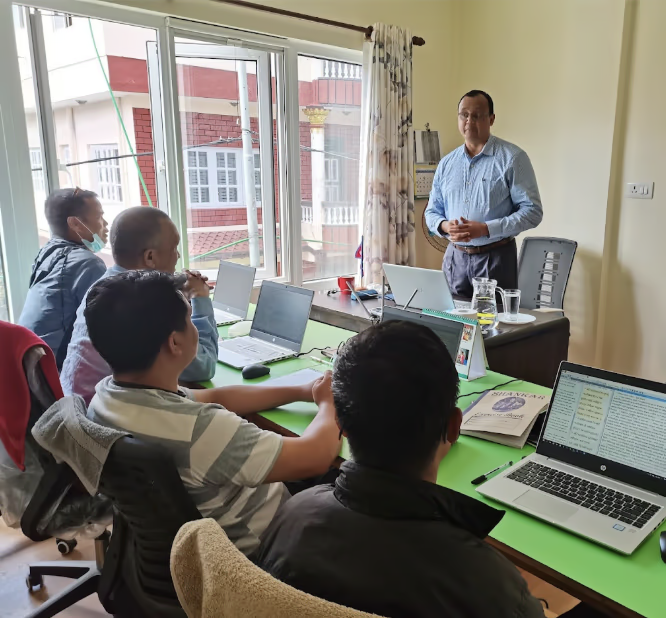
Expanding Capacity for the Mission
One of the greatest advantages of remote translation work is scalability. Projects can move forward without waiting for travel logistics, visas, or long-term relocation. This flexibility allows more languages to begin translation sooner.
In regions affected by conflict, political restrictions, or natural disasters, remote work can keep translation moving when on-the-ground presence is not possible—realities reflected in Voices in the Void: Seeking Spiritual Soundbites in Asia.
Supporting Local Ownership
Remote collaboration does not replace local translators—it supports them. Mother-tongue translators remain central, while remote consultants provide expertise, review, and mentoring.
This model respects local leadership while ensuring high-quality Scripture that faithfully communicates the Word of His grace, as demonstrated in 25 Old Testament Stories.
The Technology Behind the Screens
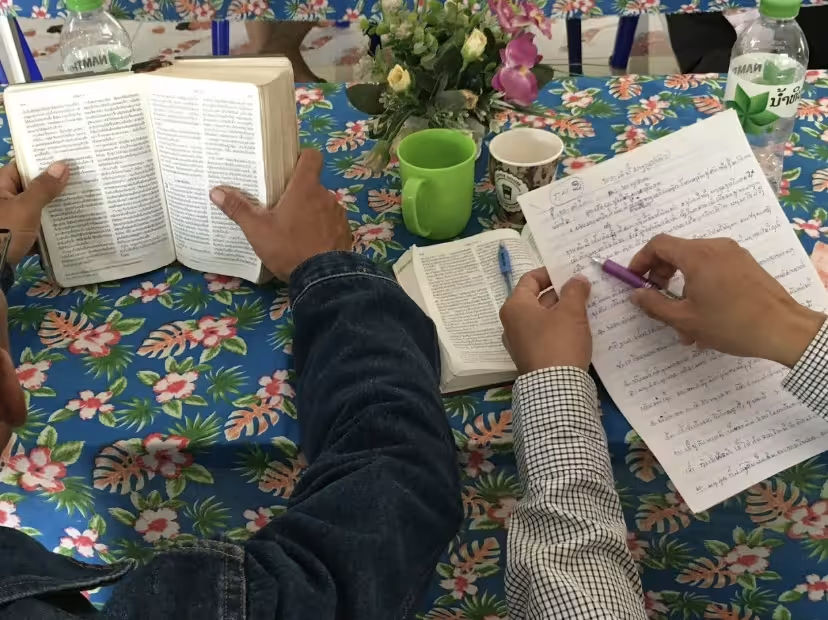
Digital Tools That Enable Accuracy
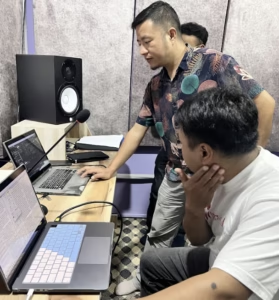
Secure translation platforms allow teams to track changes, manage versions, and maintain consistency across books. Video conferencing and messaging tools enable regular communication and problem-solving.
These tools help teams work carefully and transparently, ensuring that Scripture is handled with integrity at every stage, reinforcing practices described in And the Word of the Lord Came To….
Audio and Oral Scripture Tools
For oral cultures, remote teams can review audio recordings, provide feedback, and help shape storytelling formats. Technology ensures that pronunciation, tone, and flow remain natural—key elements for understanding in non-literate contexts, as reflected in I Want Jesus to Save Me from My Lostness.
What Remote Work Cannot Replace
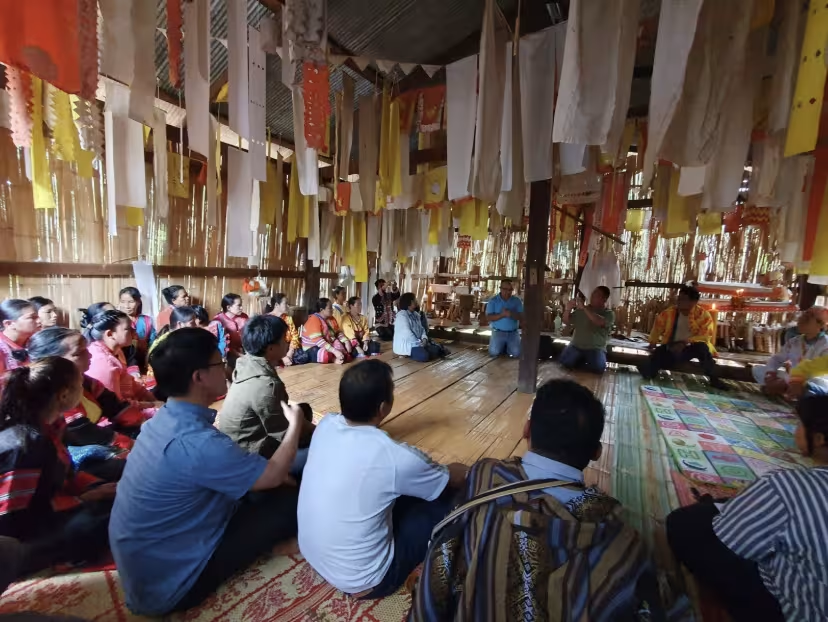
Community Engagement Still Matters
While much work can happen remotely, Bible translation is not fully digital. Community testing, feedback, and Scripture engagement require listening to real people in real contexts.
Remote translation work complements on-the-ground relationships; it does not replace them—a balance emphasized across the mission of illumiNations Asia.
Cultural Discernment Requires Human Presence
Technology can support communication, but cultural nuance often requires deep relational understanding. This is why translation teams balance remote collaboration with local insight and leadership, following best practices articulated by SIL International.
Remote Translation and Spiritual Impact
Connecting Generosity to Real Lives
For donors and supporters, remote translation work can feel abstract. Yet behind every screen is a team serving a community waiting to hear God’s Word in their own language.
When Scripture finally reaches a people group, the response is often profound—marked by Gratitude, Wonder, and Worship as God’s voice becomes clear and personal.
Faithful Stewardship in a Digital Age
Remote work also reflects wise stewardship. Reduced travel costs, efficient collaboration, and shared resources allow funds to be directed where they matter most—toward translation, training, and Scripture use.
Why This Matters for the Great Commission in 2026
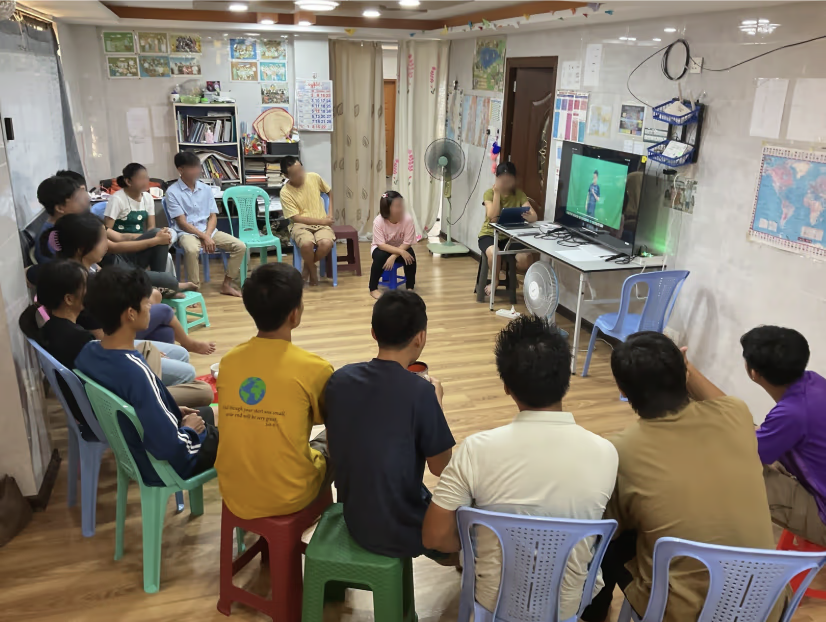
In 2026, the Great Commission is not limited by geography. Remote translation work allows the global Church to participate together—across cultures, professions, and locations.
Technology becomes a bridge, enabling faithful collaboration so that no language is overlooked.
Learning
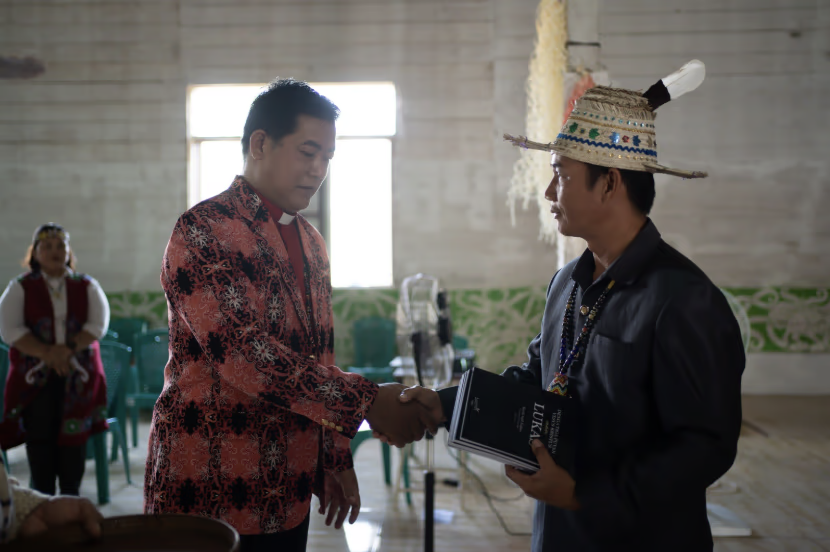
Behind the screens, remote translation work is quietly advancing the mission of Bible translation worldwide. Through translation software and tech in missions, skilled teams work together to ensure Scripture reaches people in languages that speak to their hearts. In this way, technology serves the Great Commission—helping bring the Word of His grace to communities everywhere and inviting them into gratitude, wonder, and worship through God’s living Word.
Share:
More Posts