How to Help Missions: Your Top Bible Translation Questions Answered
Summary
Many Christians want to support missions but feel overwhelmed by questions: Where do I start? Is Bible translation still needed? Does my help actually make a difference? This Q&A article answers some of the most common questions about Bible translation and explains practical ways to understand how to help missions in 2026, a calling central to the vision of illumiNations Asia.
Q&A: Bible Translation Explained
What Is Bible Translation, and Why Does It Still Matter?
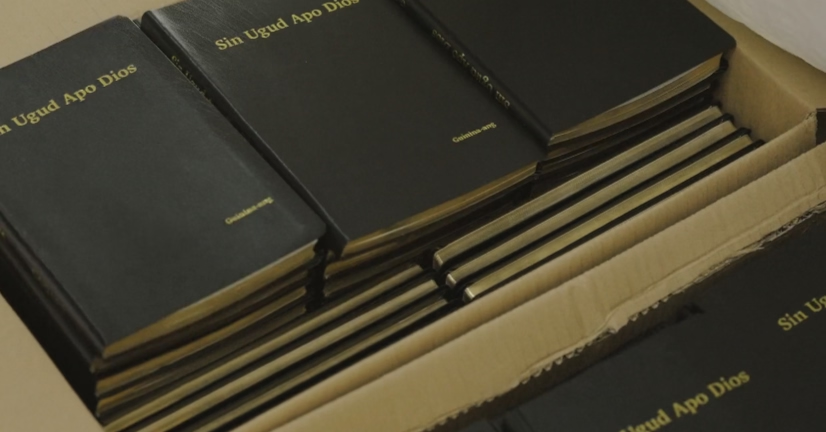
Bible translation is the process of translating Scripture into languages that do not yet have access to the Bible in their own tongue. While the Bible is widely available in major world languages, millions of people still cannot read or hear God’s Word in the language they understand best, a reality highlighted by the ongoing pursuit of the All Access Goals.
In 2026, Bible translation remains essential because language is deeply tied to identity, culture, and faith. People connect more deeply with Scripture when it speaks their heart language, not just a national or trade language, as seen repeatedly in Impact Stories.
Haven’t Most Languages Already Been Translated?
This is a common misconception. Although thousands of languages have some portion of Scripture, many still lack the full Bible—or any Scripture at all. Most remaining untranslated languages belong to smaller, often marginalized communities.
These language groups are frequently oral cultures, meaning translation includes audio Scripture, storytelling, and community-based engagement—not just printed texts, a process explained in detail on How It Works.
Why Can’t People Just Use English or a National Language Bible?
While many people can communicate in second languages, spiritual understanding goes deeper than basic comprehension. When Scripture is translated into a heart language, it speaks directly to emotions, values, and worldview.
This is why communities encountering the Bible for the first time often respond with profound Gratitude, Wonder, and Worship, a theme reflected in journeys like Pentecost 2025. God’s Word feels personal, not foreign.
How to Help Missions Through Bible Translation
Do Small Contributions Really Matter?
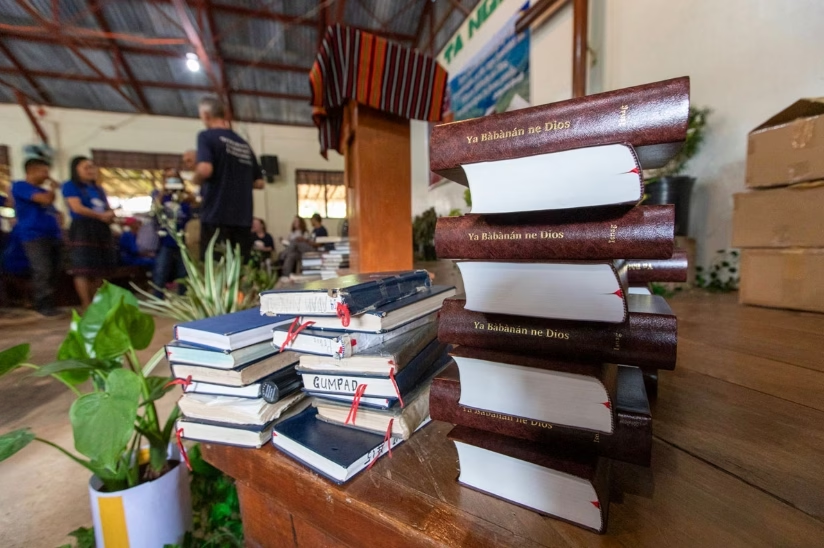
Yes. Bible translation is a long-term effort that depends on consistent support from individuals, churches, and communities. Even small contributions help fund translation work, training for local translators, literacy programs, and Scripture engagement initiatives, often supported through opportunities to Give.
Helping missions is not about size—it is about faithfulness and participation.
Is Bible Translation Only About Translators?
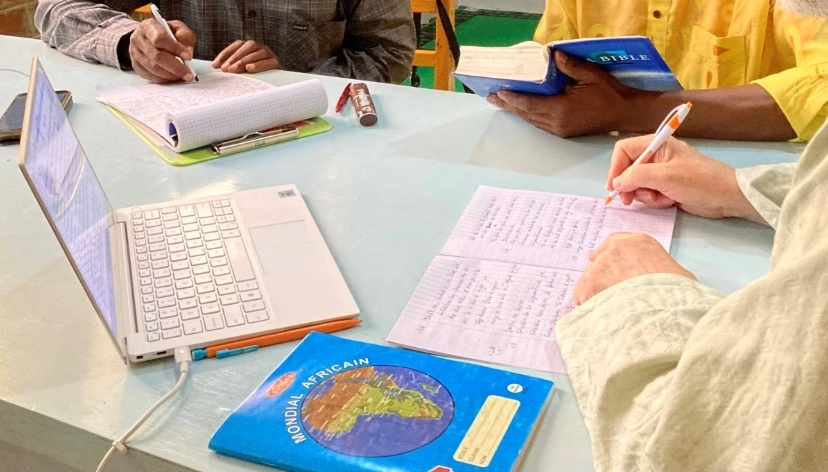
Not at all. Translation is just one part of a much larger mission ecosystem. It includes researchers, language specialists, community reviewers, audio producers, literacy trainers, and local church leaders.
Prayer supporters, advocates, and donors all play vital roles. If you have ever wondered how to help missions without going overseas, Bible translation offers many meaningful pathways, including participation through the Join Movement.
How Does Bible Translation Change Communities?
When Scripture becomes available in a heart language, communities experience transformation beyond spiritual growth. Literacy improves. Education strengthens. Cultural dignity is restored.
Most importantly, people encounter the Word of His grace in a way that brings hope, clarity, and purpose. Churches grow healthier, faith deepens, and the gospel takes root across generations, outcomes affirmed by the global Bible translation movement represented by the Wycliffe Global Alliance.
Why This Mission Still Matters in 2026
Is Bible Translation Still Urgent Today?
Yes—because unreached language communities still exist, and new needs continue to emerge. Languages evolve, populations shift, and access can be disrupted by conflict or displacement.
The mission adapts, but the purpose remains the same: ensuring everyone has access to God’s Word in a language they truly understand, a goal strengthened through prayer initiatives like Pray for Zero.
What Is the Church’s Role Today?
The global Church is invited to participate—not just observe. Supporting Bible translation is a tangible way to live out the Great Commission with humility and compassion.
In 2026, helping missions means recognizing that faith grows strongest when God speaks in familiar words.
Learning
If you have ever asked how to help missions, Bible translation offers a clear and lasting answer. By supporting Scripture access, you help unlock gratitude, wonder, and worship among people encountering God’s Word for the first time. The mission continues—one language, one community, and one transformed life at a time.
Share:
More Posts