Translation Software and Tech in Missions: The Role of Technology in Modern Bible Translation
Summary
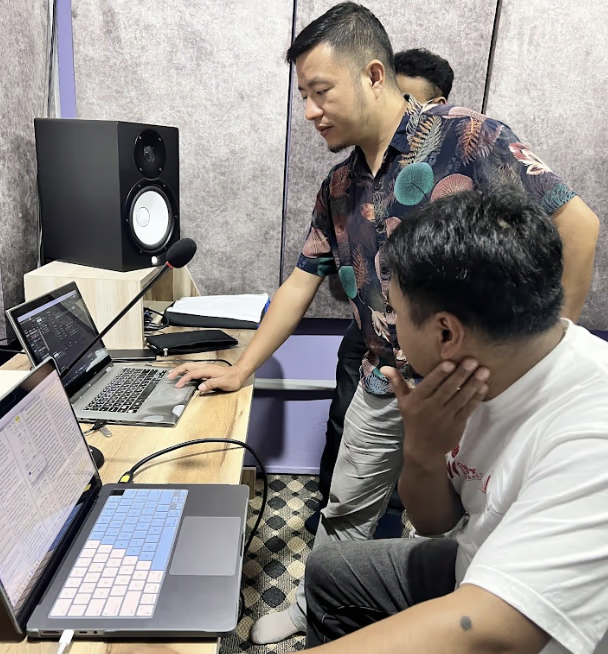
Bible translation has always required deep linguistic skill, cultural sensitivity, and spiritual responsibility. In recent decades, technology has become an essential partner in this work. From translation software to digital collaboration tools, tech in missions now plays a critical role in making Scripture accessible to more people, more efficiently, and with greater accuracy—while also supporting cultural preservation, a concern explored throughout Mapping the Multilingual Mosaic of East Asia.
In 2026, technology does not replace translators—it supports them. Understanding how these tools are used helps explain why modern Bible translation is both careful and increasingly collaborative, aligning with the vision behind All Access Goals: Scripture Without Borders.
How Technology Supports Bible Translation
Translation Software Improves Accuracy and Consistency
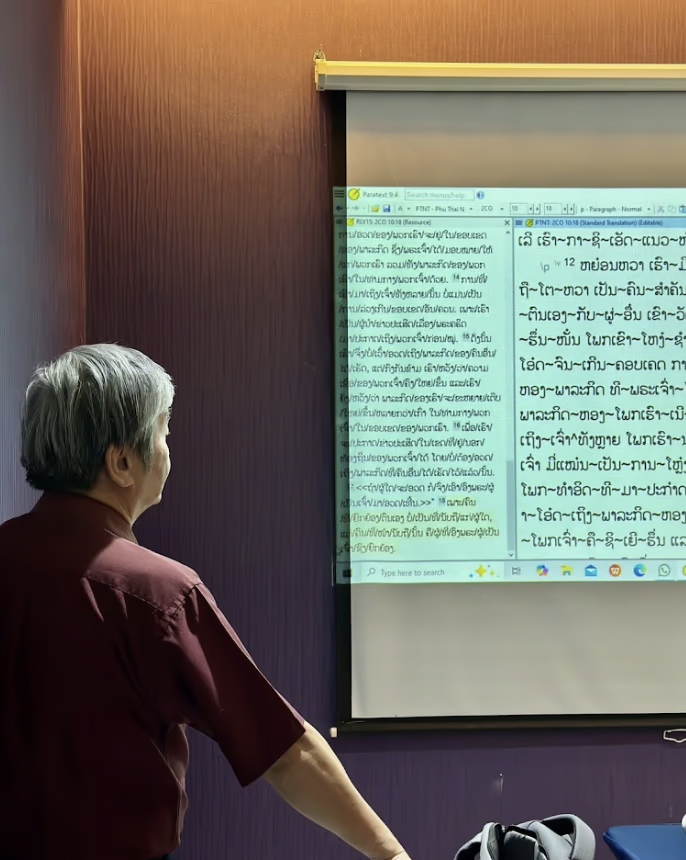
Modern translation software allows translators to manage large amounts of text while maintaining consistency across books and chapters. These tools help track key terms, check alignment with original biblical languages, and flag potential inconsistencies.
By using translation software, teams can ensure that theological concepts are translated faithfully throughout Scripture. This support strengthens the communication of the Word of His grace, reducing errors that could arise in complex, long-term projects, as outlined in How Bible Translation Works.
Digital Tools Enable Global Collaboration
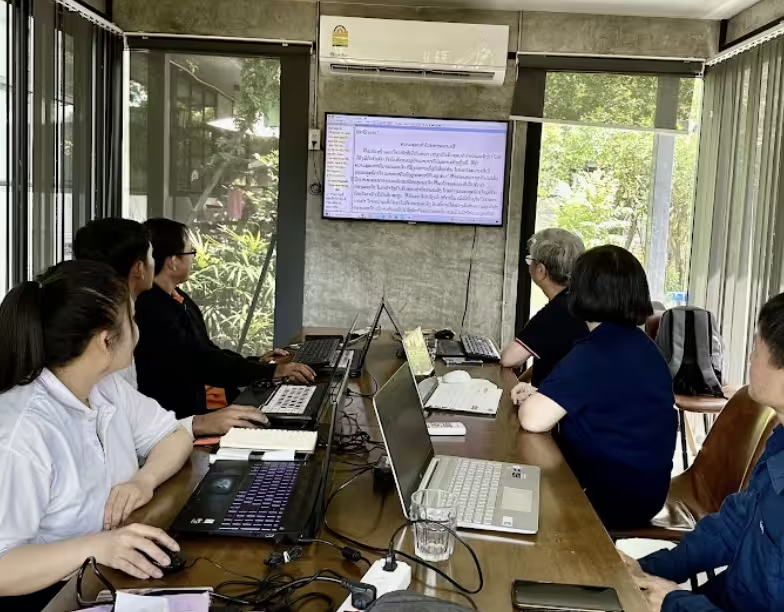
Bible translation is rarely done by one person or one team in one place. Today’s tech in missions allows translators, linguists, and consultants to collaborate across countries and time zones.
Cloud-based platforms enable:
- Real-time review and feedback
- Secure sharing of drafts and notes
- Faster communication between local translators and global consultants
This collaboration ensures quality while respecting local leadership and insight, a priority emphasized during Pentecost 2025: When Heaven Meets Earth in Asia.
Technology and Minority Languages

Supporting Unwritten and Oral Languages
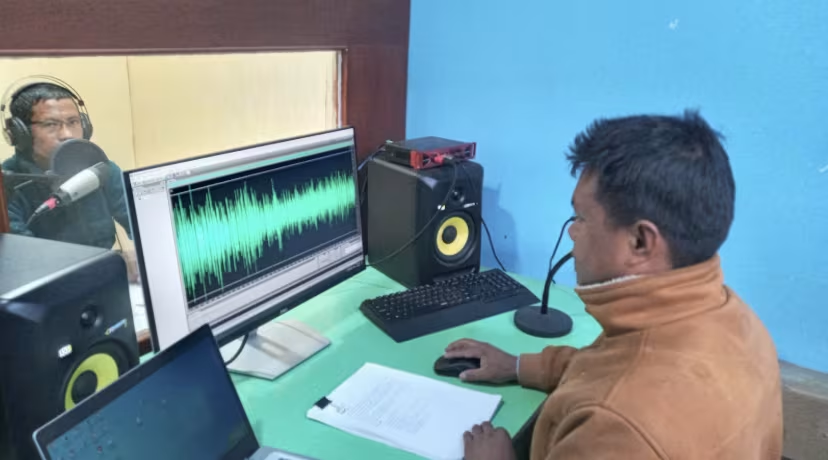
Many languages still being translated have limited written resources. Technology supports these languages through audio recording, transcription tools, and oral storytelling formats.
Audio Scripture is especially important in oral cultures where reading is not the primary way knowledge is passed down. Technology helps preserve pronunciation, rhythm, and storytelling patterns that are central to these cultures, as seen in Voices in the Void: Seeking Spiritual Soundbites in Asia.
Building Long-Term Language Resources
Translation tools also help document grammar, vocabulary, and usage for minority languages. These resources support literacy, education, and cultural preservation beyond the translation project itself, reinforcing outcomes highlighted in 25 Old Testament Stories.
What Technology Cannot Replace
Human Judgment and Cultural Insight
Despite advances in artificial intelligence and automation, technology cannot replace human discernment. Translation software assists, but it cannot fully understand cultural nuance, emotion, or theological depth.
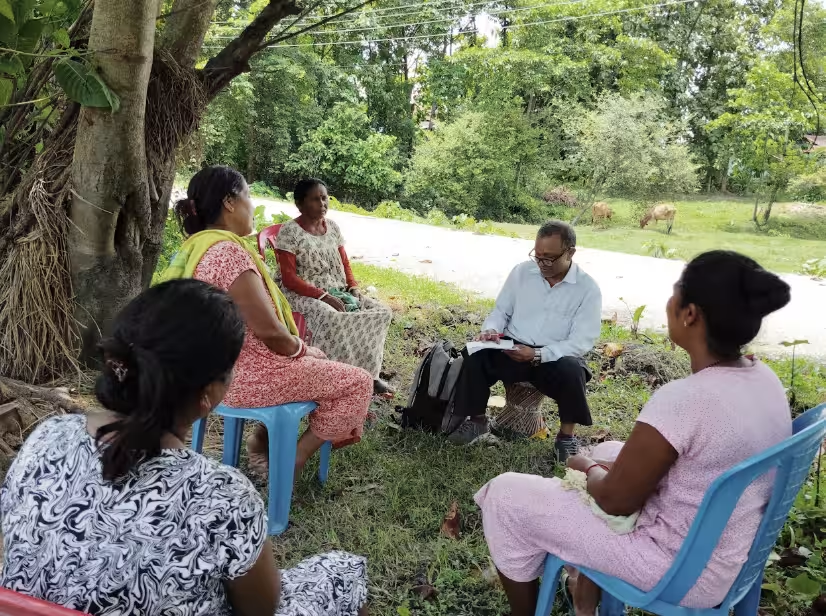
Mother-tongue translators remain essential because they understand how language is used in daily life. Consultants and scholars ensure faithfulness to the original text. Technology strengthens their work—it does not replace it, a reality reflected in And the Word of the Lord Came To….
Relationship and Community Engagement
Bible translation is ultimately relational. Community checking, feedback sessions, and Scripture engagement require listening and trust. These aspects cannot be automated, as seen in testimonies like I Want Jesus to Save Me from My Lostness.
Why Tech in Missions Matters in 2026
Efficiency Without Compromising Care
Technology helps translation teams work more efficiently without sacrificing accuracy. Projects can move forward faster while still maintaining rigorous review processes.
This balance allows more languages to begin translation while honoring the responsibility that comes with handling Scripture—central to the mission of illumiNations Asia.
Leading to Gratitude, Wonder, and Worship
When technology helps bring Scripture to a community for the first time, the response is often deeply emotional. People hear God speak in their heart language and respond with Gratitude, Wonder, and Worship.
Technology becomes a bridge—not to replace faith, but to carry it faithfully across linguistic boundaries.
Ethical and Responsible Use of Technology
Bible translation organizations use technology with care, ensuring data security, ethical collaboration, and respect for local communities. Transparency and accountability guide how tools are selected and applied, following best practices promoted by SIL International.
Technology serves the mission—it does not define it.
Learning
Translation software and tech in missions have transformed how Bible translation is carried out in the modern era. By supporting accuracy, collaboration, and access, technology helps bring Scripture to languages that have waited generations. In 2026, these tools continue to serve a greater purpose: advancing cultural preservation while helping people encounter the Word of His grace in a language they understand deeply—inviting communities everywhere into gratitude, wonder, and worship through God’s living Word.
Share:
More Posts