Financial Transparency in Bible Translation: Behind the Budget, Where Your Donation Goes

Summary
When people consider supporting bible translation, one of the most important questions they ask is simple and valid: Where does my donation actually go? Financial transparency is essential for trust, stewardship, and long-term mission impact. In bible translation, transparency is not just a best practice—it is a commitment to honoring both donors and the communities being served.
This article takes you behind the budget to explain how bible translation funds are used and why clarity matters in 2026, reflecting the broader mission of Illuminations Asia’s work across Asia.
Why Financial Transparency Matters in Missions

Trust Builds Sustainable Impact
Financial transparency helps donors give with confidence. When supporters understand how funds are allocated, they are more likely to engage consistently and prayerfully with the mission.
In bible translation, transparency reflects integrity—ensuring that resources are used wisely to bring Scripture to people who need it most. This trust undergirds long-term efforts like the All Access Goals to eradicate Bible poverty, a vision often reflected in impact stories from communities receiving Scripture.
Stewardship Is a Spiritual Responsibility
Biblical stewardship calls for careful, accountable use of resources. Transparent budgeting ensures that every contribution supports the mission of making God’s Word accessible in languages people understand deeply.
How a Bible Translation Budget Is Structured

Translation and Language Development
A significant portion of the budget supports the translation process itself. This includes:
Training and supporting mother-tongue translators
Linguistic research for previously unwritten languages
Ongoing review to ensure accuracy and clarity
This careful process safeguards the faithful transmission of the Word of His grace, ensuring Scripture is both accurate and culturally meaningful. The process itself is outlined in detail in How Bible Translation Works.
Community Review and Scripture Engagement
Translation does not stop at written text. Budgets also support:
- Community checking sessions
- Audio Bible recordings for oral cultures
- Scripture engagement programs that help people use and understand the Bible
These steps ensure Scripture is not only translated but truly received.
Where Your Donation Goes in Practical Terms
Operational and Project Support
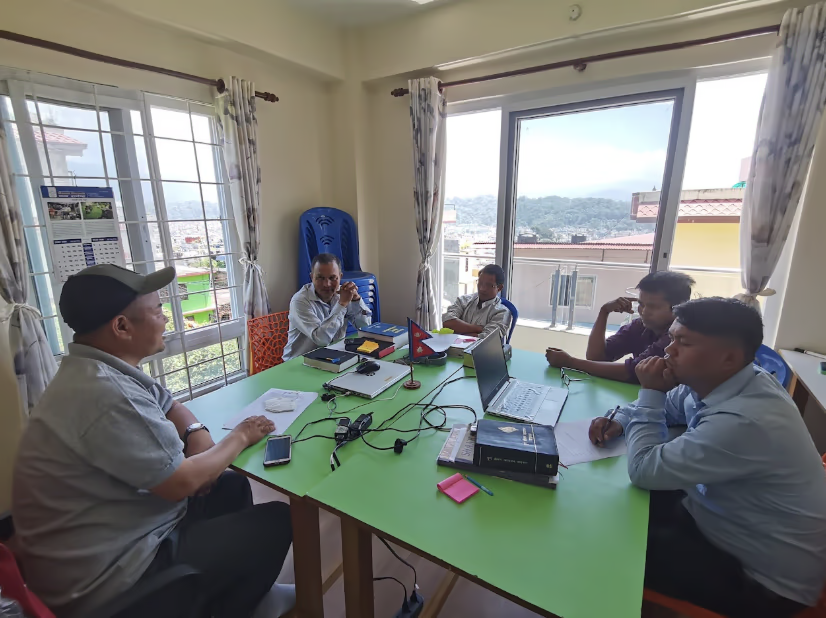
Bible translation projects typically require long-term commitment. Donations help cover:
Project coordination and management
Local logistics and travel
Technology and translation tools
On average, a translation project may cost around US$60,000 per year, depending on the region and complexity. Transparent reporting helps donors see how these funds are distributed responsibly. This breakdown complements explanations found in the article on the cost of Bible translation.
Investing in Local Ownership
Modern bible translation prioritizes local leadership. Supporting local translators and church leaders strengthens sustainability and reduces long-term dependency. While this approach may increase upfront costs, it ensures lasting impact and faithful use of Scripture within the community, as reflected in continuing to sow in different ways.
Transparency That Leads to Gratitude, Wonder, and Worship

Accountability Strengthens Donor Connection
When donors clearly understand how their gifts are used, giving becomes more than a transaction. It becomes participation. Many supporters express deeper Gratitude, Wonder, and Worship when they see how their generosity contributes to life-changing moments—families hearing Scripture for the first time or churches growing in biblical understanding.
Reporting That Reflects Real Impact
In 2026, financial transparency includes:
Clear breakdowns of project costs
Ethical financial oversight
Open communication with donors and partners
Transparency is no longer optional—it is expected. International standards for nonprofit financial accountability are outlined by Charity Navigator.
What Financial Transparency Looks Like in 2026

Clear Communication and Ethical Standards
In 2026, financial transparency includes:
- Clear breakdowns of project costs
- Ethical financial oversight
- Open communication with donors and partners
Transparency is no longer optional—it is expected.
Empowering Donors to Give Confidently
By offering clarity, bible translation organizations invite donors into the mission with confidence. Supporters can give knowing their resources help bring Scripture to life in communities that have waited generations to hear God’s Word. Those who wish to take part can explore ways to participate through the Join the Movement page.
Learning

Financial transparency is at the heart of trustworthy Bible translation work. By understanding where your donation goes, you become a partner in a mission rooted in integrity, stewardship, and impact. In 2026, transparency helps ensure that every contribution supports the faithful sharing of the Word of His grace, leading communities around the world toward gratitude, wonder, and worship—one language at a time.
Share:
More Posts