Linguistics in Missions, Volunteer Opportunities: Why Professional Linguists Volunteer for illumiNations

Summary
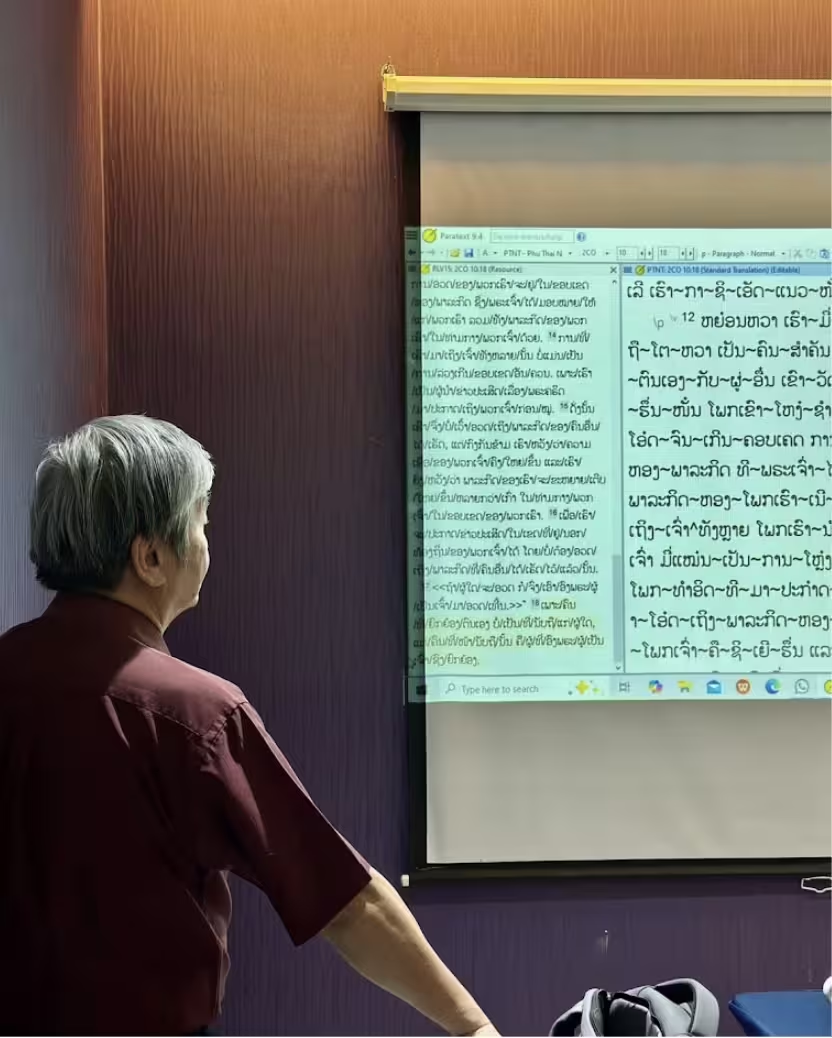
For many professionals trained in linguistics, career paths often lead to academia, research, or corporate language services. Yet a growing number are choosing a different direction—applying their expertise to Bible translation. Through linguistics in missions, volunteer opportunities with illumiNations are opening doors for these professionals to use their skills in ways that carry lasting impact. A dedicated volunteer with technical expertise can ensure that the nuances of a dialect are preserved while making the text accessible to all.
But what motivates a linguist to step away from traditional career paths and into the world of missions?
The Unique Role of Linguistics in Missions
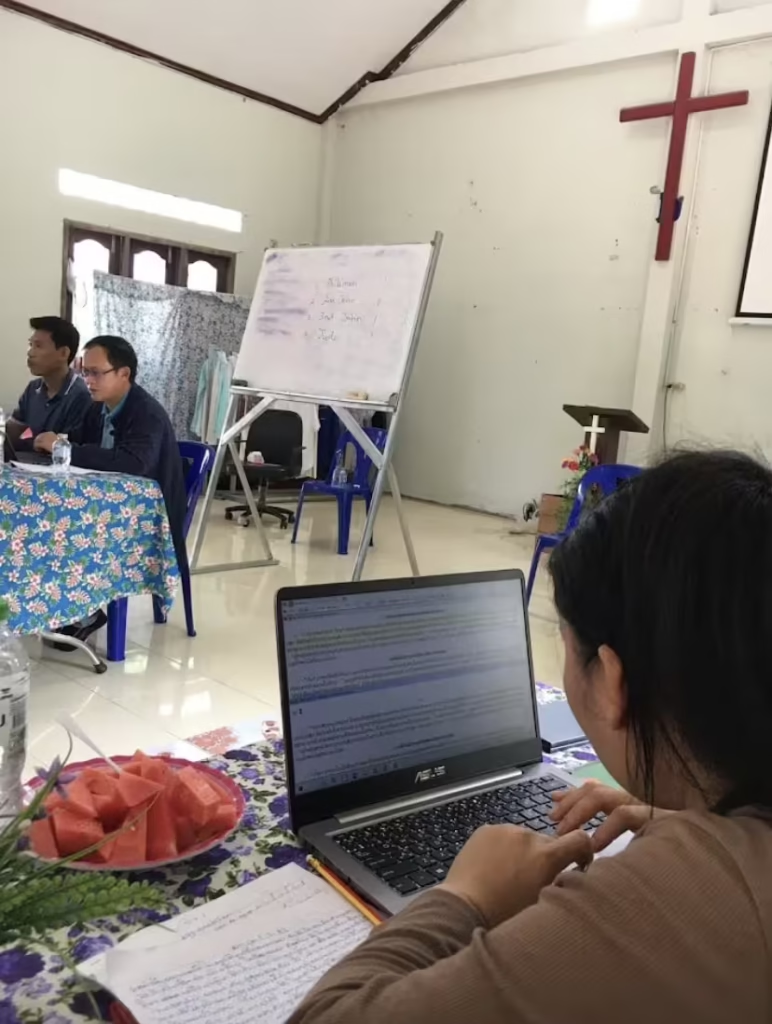
Language is at the heart of human connection. It shapes identity, preserves culture, and carries meaning across generations. In the context of Bible translation, linguistics becomes an essential tool for bridging understanding.
Many communities around the world still do not have access to Scripture in their own language. Some languages are primarily oral, while others lack standardized grammar or written systems. Often, the impact of Bible poverty is most severe in these communities where no written form exists.
This is where linguists play a critical role. They help analyze language structures, document vocabulary, and develop systems that allow translation to take place accurately and meaningfully.
Linguistics in missions is not just technical work—it is deeply relational and cultural.
Why Professional Linguists Choose to Volunteer
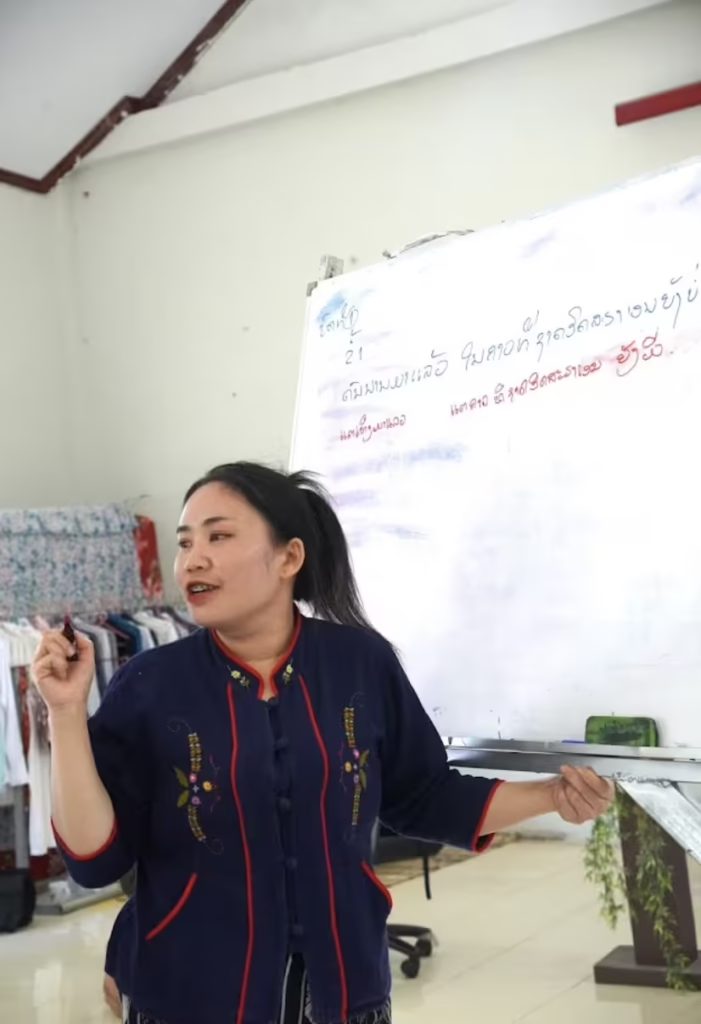
The decision to volunteer in Bible translation is rarely impulsive. It often grows from a combination of personal conviction and professional curiosity.
A Desire to Use Expertise for Purpose
Many linguists reach a point where they ask how their skills can serve something beyond personal achievement. Volunteering offers a way to align their professional training with a deeper sense of purpose.
Instead of working on theoretical models or commercial applications, they contribute to something that directly impacts lives. We see this transition frequently when experts review our mission goals for 2026, looking for ways to apply their craft to global needs.
This shift from career to calling is a common theme in stories of linguistics in missions, volunteer opportunities.
Bridging Language Gaps That Matter
For linguists, few challenges are as meaningful as helping people access important content in their own language.
Bible translation is not simply about converting words from one language to another. It involves ensuring that meaning, tone, and cultural context are preserved. Maintaining Bible translation accuracy is a primary focus for these specialists.
This level of complexity appeals to linguists who are passionate about language in its fullest sense.
Contributing to Lasting Impact
Unlike many professional projects, Bible translation has a long-term, generational impact.
Once Scripture is translated, it continues to be used in communities for years to come—supporting spiritual growth, education, and cultural preservation. Many linguists find that their work supports broader Bible literacy projects in Asia, providing the tools necessary for reading and writing in local dialects.
For many volunteers, this sense of lasting contribution is deeply motivating.
What Linguists Actually Do in Bible Translation

The work of linguists in missions is multifaceted, combining research, collaboration, and mentorship.
Language Documentation and Analysis
Before translation can begin, many languages require thorough documentation. Linguists work to understand phonetics, grammar, and vocabulary.
In some cases, they help develop writing systems, enabling previously oral languages to be written for the first time. This foundational work is essential for literacy through Bible translation to succeed.
This foundational work is critical for accurate translation.
Translation Consulting and Quality Assurance
Linguists also serve as consultants, guiding translation teams through complex passages and ensuring accuracy.
They review drafts, provide feedback, and help refine language choices so that the final text is both faithful to the original and natural for the target audience. The goal is always to speak to the heart language vs. second language of the people.
Quality assurance is essential, as even small nuances can significantly affect meaning.
Training and Empowering Local Translators
One of the most important roles linguists play is training local translators.
Rather than working in isolation, they equip community members with the skills needed to continue translation work independently. Professionals often provide remote translation work support to these local teams, ensuring the project remains sustainable.
This approach creates sustainability and ensures that translation efforts remain rooted in local context.
Challenges and Rewards of Linguistics in Missions
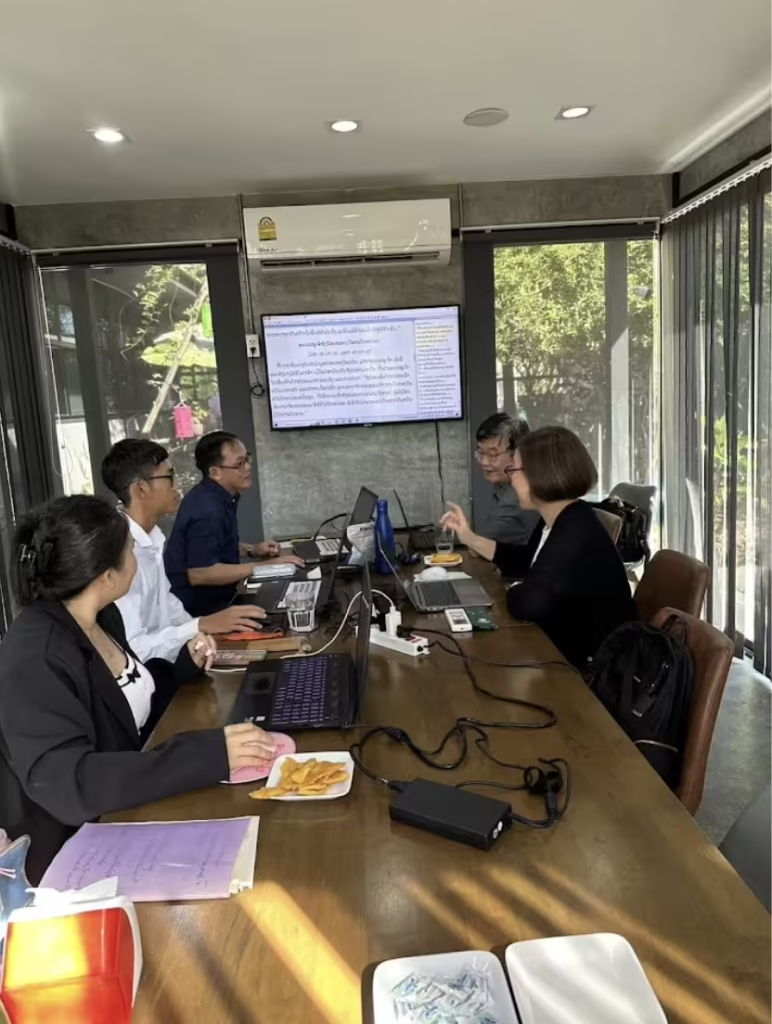
Like any meaningful work, linguistics in missions comes with both challenges and rewards.
Navigating Complex Languages
Some languages have structures that are vastly different from those commonly studied. Linguists must adapt their methods and remain open to learning.
This can be intellectually demanding, but also highly rewarding. Many find inspiration by reading through our impact stories to see how their linguistic efforts change lives.
Living Between Cultures
Volunteers often find themselves navigating multiple cultural contexts. This requires sensitivity, flexibility, and a willingness to listen.
Adapting to new environments can be challenging, but it also broadens perspective and deepens understanding.
Seeing Transformation Firsthand
Perhaps the most rewarding aspect is witnessing the impact of translation work.
When communities receive Scripture in their own language, it often leads to increased engagement, understanding, and a sense of inclusion. For more information on how you can support these experts, visit the illuminations Asia homepage.
For linguists, seeing their work contribute to this transformation is a powerful experience. According to Ethnologue, linguistic diversity is a vital part of human heritage, and documenting these languages is a race against time.
Exploring Volunteer Opportunities with illumiNations

The need for skilled linguists in Bible translation continues to grow. illumiNations provides pathways for professionals to get involved through various volunteer opportunities.
Whether short-term consulting, remote support, or long-term fieldwork, there are options that align with different stages of life and career.
Getting involved does not always require a dramatic life change. Some linguists begin by contributing part-time or supporting specific projects.
What matters most is a willingness to use one’s skills in service of a greater purpose.
Learning

Linguistics in missions, volunteer opportunities with illumiNations highlight a powerful intersection between expertise and impact.
For professional linguists, this work offers more than a career alternative—it provides a chance to be part of something enduring.
Because when language meets purpose, the result is not just translation. It is connection, understanding, and hope that reaches far beyond words.
Share:
More Posts