Tech for Missions, Christian Volunteer Work: How IT Volunteers Support the Word


Summary
In today’s digital world, technology is shaping nearly every aspect of life—including how Scripture is translated and shared. What once relied solely on pen, paper, and in-person collaboration has evolved into a global effort supported by advanced tools and systems. At the center of this transformation are IT professionals engaging in tech for missions, Christian volunteer work that supports Bible translation in powerful ways. A skilled tech professional acts as a silent architect, building the digital bridges that allow ancient truths to reach modern devices in every corner of the globe.
These volunteers may never stand in front of a congregation or travel to a remote village, yet their contributions are essential. Behind every translated verse, there is often a layer of technology making the work faster, more accurate, and more accessible.
The Growing Role of Technology in Bible Translation
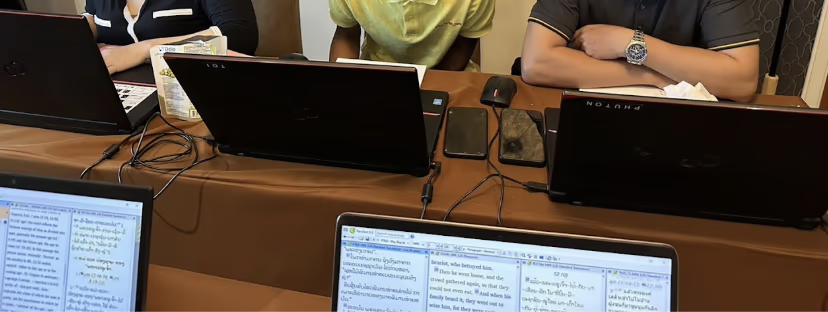
Bible translation has always been a complex and time-intensive process. Today, technology is helping streamline this work while preserving its accuracy and cultural sensitivity.
Digital platforms allow translation teams to collaborate across continents. Cloud-based tools enable real-time editing, review, and feedback. Specialized software helps track progress, manage terminology, and ensure consistency across large portions of text. Integrating translation software in missions has drastically reduced the time it takes to move from a first draft to a finished Gospel.
This is where tech for missions, Christian volunteer work becomes vital. IT volunteers design, build, and maintain the systems that make modern translation efforts possible.
Without these tools, many projects would take significantly longer to complete.
Why IT Professionals Choose Christian Volunteer Work
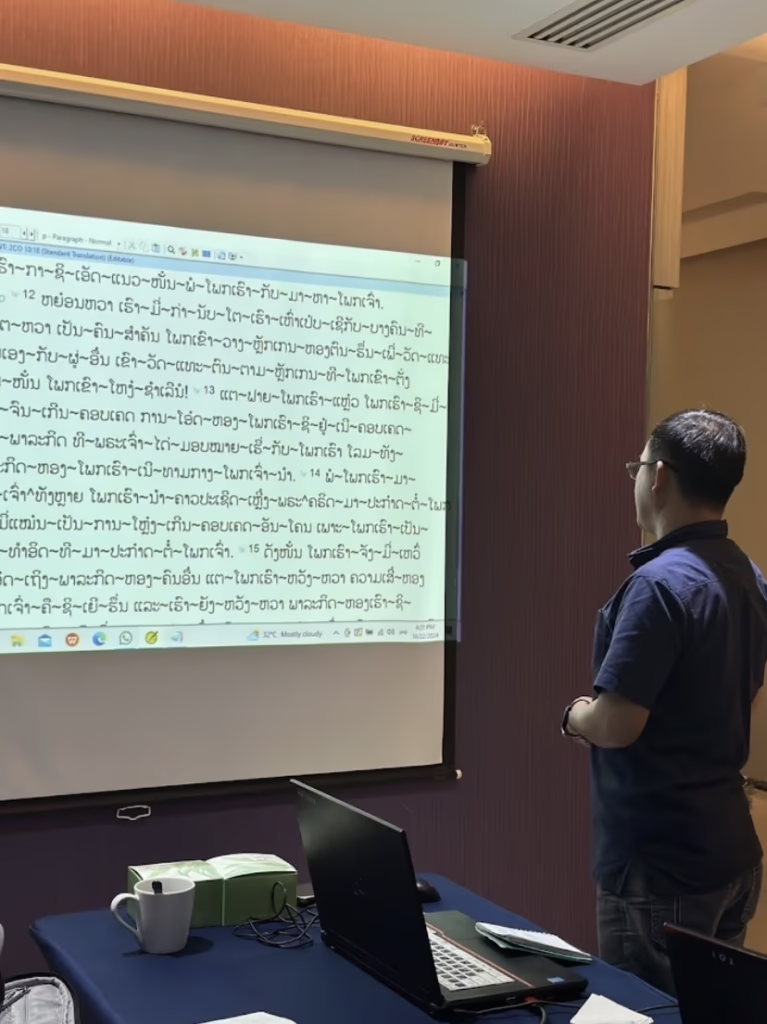
For many IT professionals, volunteering in missions represents a shift in how they view their skills.
Using Skills Beyond the Corporate World
In traditional roles, developers, engineers, and IT specialists often work on products driven by market demand. While these roles can be rewarding, some professionals seek opportunities to apply their skills in ways that feel more meaningful.
Christian volunteer work provides that opportunity. It allows them to contribute to something that aligns with their values while still leveraging their technical expertise. Many find that looking at mission goals for 2026 gives them a clear roadmap of how their coding skills can serve a higher purpose.
Solving Meaningful Problems
Bible translation presents unique technical challenges. These include developing tools for lesser-known languages, creating offline functionality for areas with limited internet access, and ensuring that systems are user-friendly for non-technical users.
For IT volunteers, these challenges are both complex and meaningful. They require creativity, adaptability, and a willingness to think beyond conventional solutions. Ensuring Bible translation accuracy through automated checking tools is a prime example of high-level problem solving in the field.
Contributing to Global Impact
One of the most compelling aspects of tech for missions is its global reach.
A single tool developed by an IT volunteer can be used by multiple translation teams across different countries. This scalability means that one contribution can impact thousands of people. To understand the scale of the need, volunteers often check the latest Bible translation stats 2026 to see where digital tools are needed most.
For many professionals, this sense of broad impact is deeply motivating.
How IT Volunteers Support Bible Translation
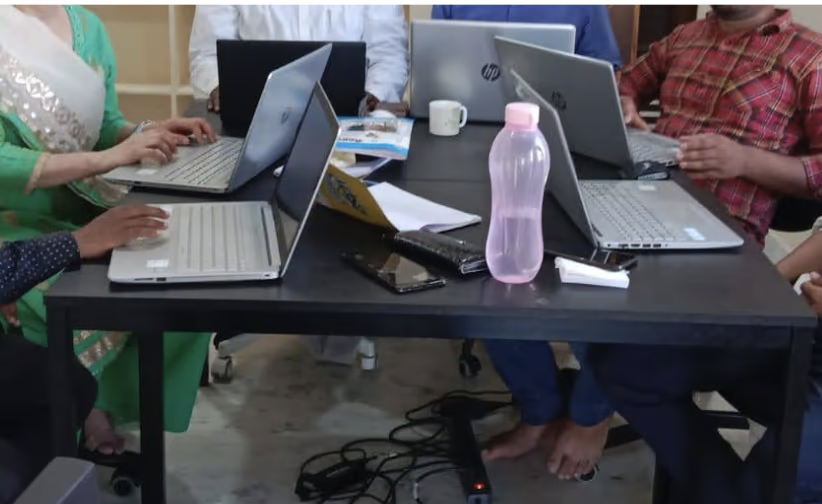
The contributions of IT volunteers span a wide range of roles, each supporting a different aspect of the translation process.
Building and Maintaining Translation Tools
One of the primary responsibilities of IT volunteers is developing software that facilitates translation work.
These tools help translators input text, compare versions, and check for consistency. Some platforms also include features like audio integration, enabling oral communities to engage with Scripture. This is especially vital when tackling Bible poverty in regions where written literacy is still developing.
Maintaining these tools is just as important as building them. Regular updates, bug fixes, and performance improvements ensure that translation teams can work efficiently.
Managing Data and Digital Infrastructure
Bible translation generates a significant amount of data, from text drafts to audio recordings.
IT volunteers help manage this data by setting up secure storage systems, organizing digital assets, and ensuring that information is easily accessible to authorized users. This backend support is what allows for remote translation work to thrive, keeping data safe and synchronized.
They also play a key role in maintaining servers, databases, and cloud infrastructure that support global collaboration.
Supporting Remote Collaboration
Translation teams are often spread across different locations. IT volunteers create systems that enable seamless communication and collaboration.
This includes setting up collaboration platforms, troubleshooting technical issues, and ensuring that teams can work together without interruption. You can see the fruits of this labor in our impact stories where technology bridged the gap between distant teams.
In many ways, IT volunteers act as the backbone of the entire operation, keeping everything connected.
Challenges in Tech for Missions
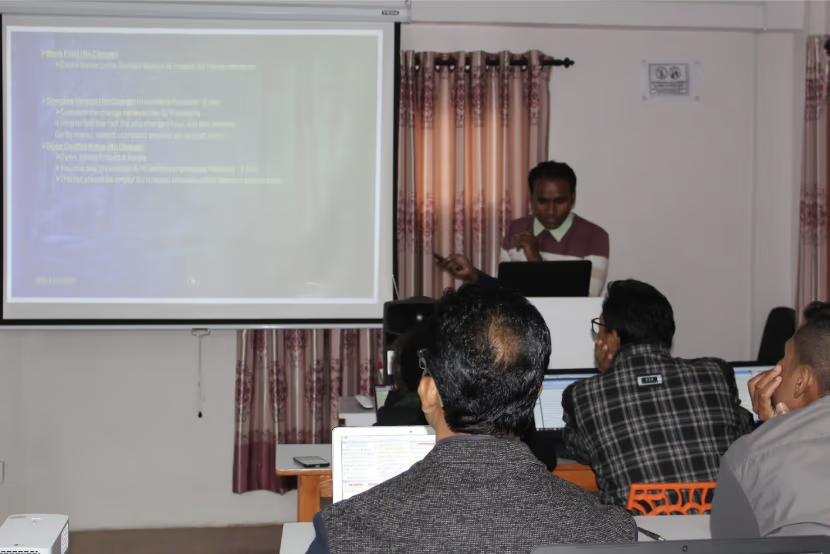
While the work is rewarding, it also comes with unique challenges.
Working in Low-Resource Environments
Many translation projects take place in areas with limited access to technology. Internet connectivity may be unreliable, and hardware resources may be minimal.
IT volunteers must design solutions that can function in these conditions, often prioritizing simplicity and efficiency over complexity. These solutions directly support literacy through Bible translation by making digital texts available on simple mobile devices.
Balancing Simplicity and Innovation
Advanced technology can be powerful, but it is not always practical in mission contexts.
Volunteers must strike a balance between innovation and usability, ensuring that tools are both effective and accessible to users with varying levels of technical experience.
Ensuring Accessibility and Security
Protecting sensitive data is crucial, especially when working in regions where certain activities may be restricted.
IT volunteers must implement security measures while also ensuring that systems remain accessible to those who need them. For more details on how we protect our mission, visit the illuminations Asia homepage.
This balance requires careful planning and ongoing attention. According to Microsoft Philanthropies, providing cloud resources and technical support to nonprofits is essential for modern humanitarian and spiritual missions.
Getting Involved in Tech for Missions
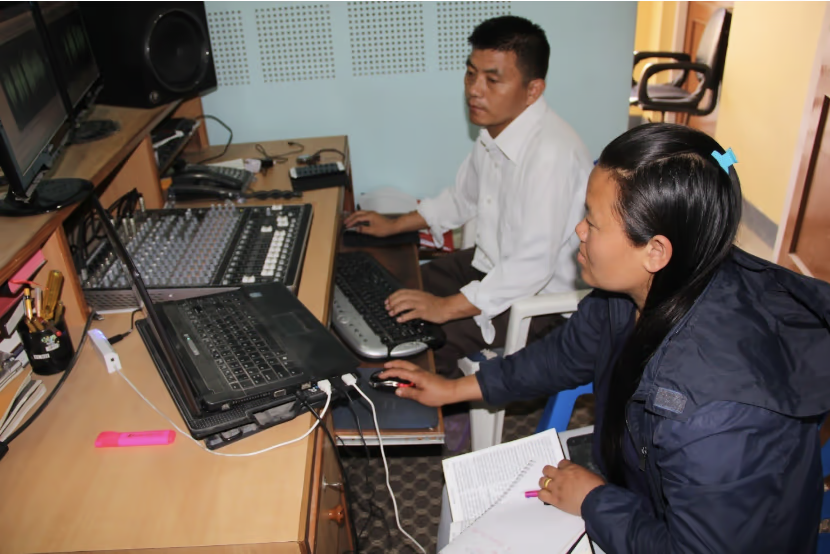
The need for IT professionals in Bible translation continues to grow. Opportunities exist for developers, system administrators, data specialists, and more.
Many organizations offer flexible ways to get involved, including remote volunteering, project-based contributions, and long-term commitments.
You don’t need to leave your current career to participate. Even a few hours of dedicated time can make a meaningful difference.
Learning

Tech for missions, Christian volunteer work highlights the powerful intersection between technology and purpose.
For IT professionals, it offers a chance to use their skills in ways that extend beyond code—impacting lives, communities, and generations.
Because behind every line of Scripture made accessible, there is often another kind of line—written in code, built with intention, and dedicated to bringing the message of hope to the world.
Share:
More Posts