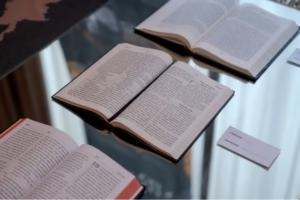
Literacy Through Bible Translation: How Education in Missions Transforms Communities
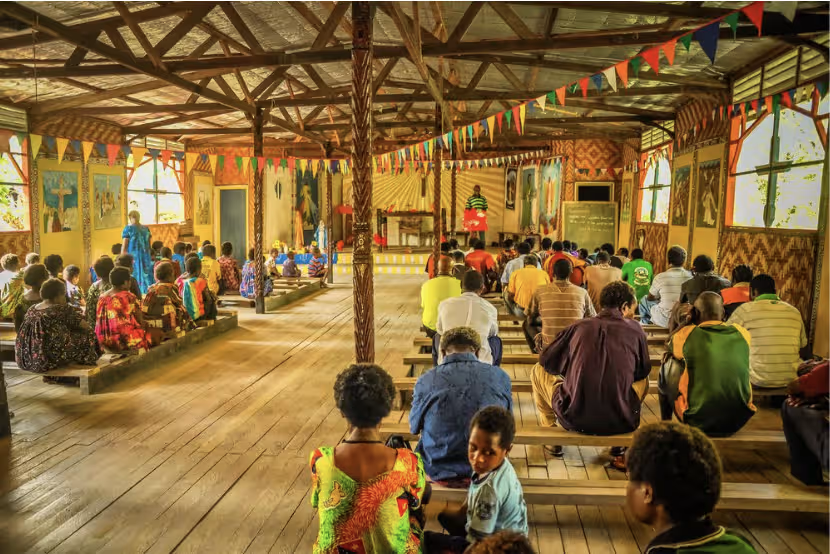

Summary
Bible translation is often viewed primarily as a spiritual effort—but its impact reaches far beyond faith alone. One of the most significant outcomes of translation work is improved literacy. In many regions, literacy through Bible translation becomes a foundation for broader education in missions, empowering individuals and strengthening entire communities, as reflected in many impact stories from language communities.
In 2026, as education gaps persist across minority and remote language groups, Bible translation continues to play a vital role in building literacy where few resources exist, reflecting the wider mission vision of Illuminations Asia’s work across Asia.
The Connection Between Bible Translation and Literacy
When Language Becomes Readable
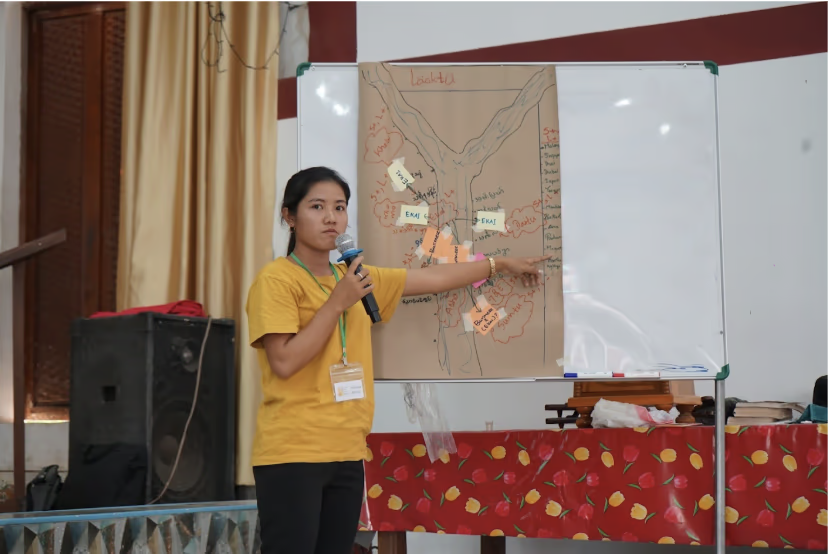
Many languages spoken around the world have never been written down. Bible translation often begins by developing an alphabet, grammar rules, and standardized spelling, as seen in accounts of how the Word of the Lord came to previously unwritten languages. These tools make it possible for people to read and write in their own language for the first time.
Once a language becomes readable, it opens the door to education—not only for Scripture, but for everyday communication and learning.
Learning Starts With Familiar Words
Literacy is most effective when people learn to read in their mother tongue. Bible translation provides meaningful, culturally relevant text that people are motivated to learn, echoing testimonies such as a long-held dream fulfilled through Scripture access. Scripture is not abstract; it speaks to life, values, and community.
This relevance encourages engagement and persistence in learning to read.
How Education in Missions Grows Through Translation
Literacy Classes Built Around Scripture
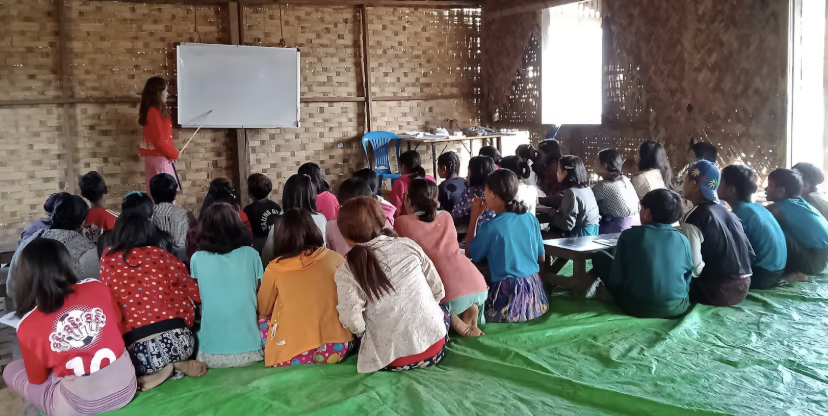
In many mission contexts, literacy programs are developed alongside Bible translation. These programs teach reading and writing using translated Scripture, stories, and audio resources, often introduced through structured discipleship rhythms like Week 1 learning journeys.
Learning to read Scripture often becomes the first step toward broader education—especially in areas where formal schooling is limited.
Empowering Adults and Children Alike
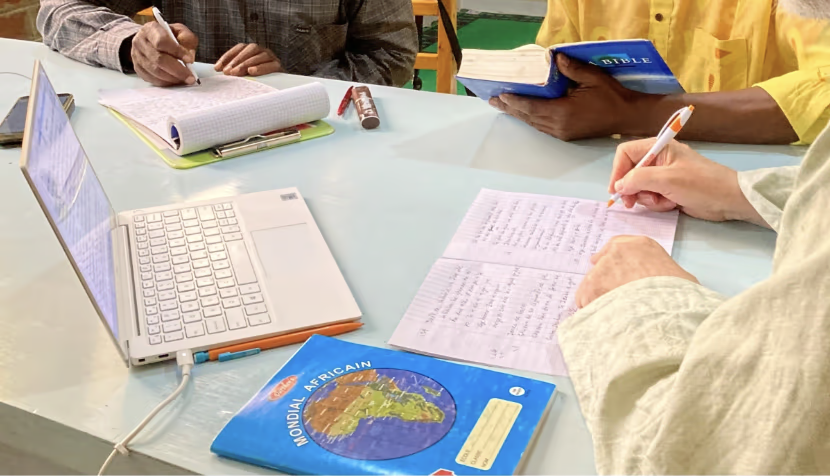
Bible-based literacy programs serve both children and adults. Adults who never had access to education can learn to read alongside their children, transforming family dynamics and community participation, as reflected in testimonies such as I want Jesus to save me from my lostness.
This shared learning experience builds confidence and dignity.
Beyond Reading: Broader Educational Impact
Strengthening Local Education Systems
Once literacy is established, communities are better equipped to create additional learning materials—health information, agricultural guides, and local stories. Bible translation often becomes the catalyst for a growing body of written knowledge in the local language, as explored in continuing to sow in different ways.
Education becomes more accessible and inclusive.
Preserving Language and Knowledge
Literacy through Bible translation also helps preserve minority languages. Written resources protect languages from disappearing and ensure that cultural knowledge can be passed on to future generations, as illustrated in Old Testament stories shared across cultures.
This preservation supports both education and identity.
Spiritual and Emotional Impact of Literacy

Understanding the Word of His Grace
When people learn to read in their heart language, they gain direct access to Scripture. The Word of His grace becomes understandable, personal, and applicable—no longer dependent on intermediaries, as seen throughout Illuminations Asia’s impact story archive.
Understanding leads to confidence in faith and learning.
Gratitude, Wonder, and Worship in Learning
Literacy is often accompanied by joy. Communities express Gratitude, Wonder, and Worship as they realize they can read, understand, and share God’s Word themselves.
These responses reflect not only spiritual growth, but the empowerment that comes with education.
Why This Matters in 2026
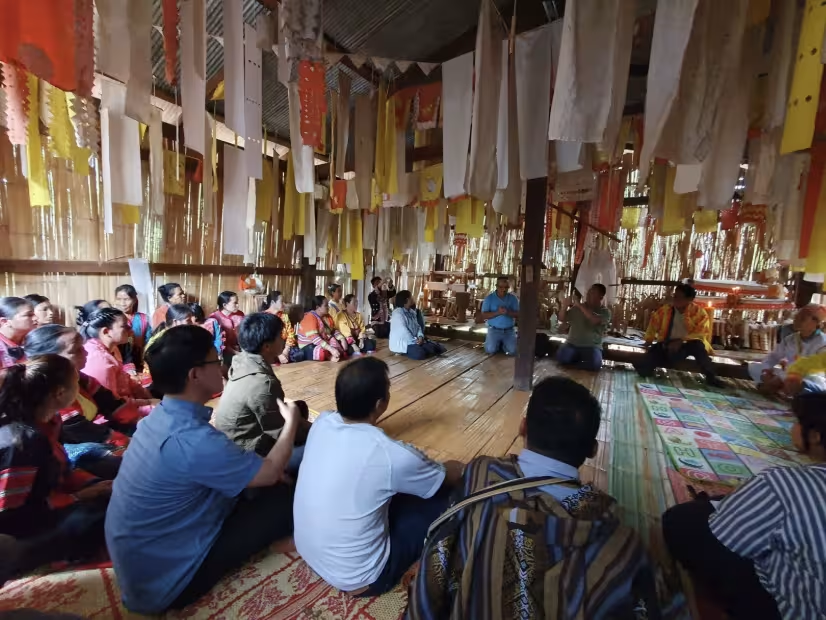
In 2026, millions of people still live in communities where education resources are scarce. Bible translation offers a practical, culturally grounded entry point into literacy and learning, aligning with global insights from UNESCO’s literacy and education research.
Education in missions is not only about classrooms—it is about access, relevance, and dignity. Bible translation provides all three.
Addressing Common Misconceptions
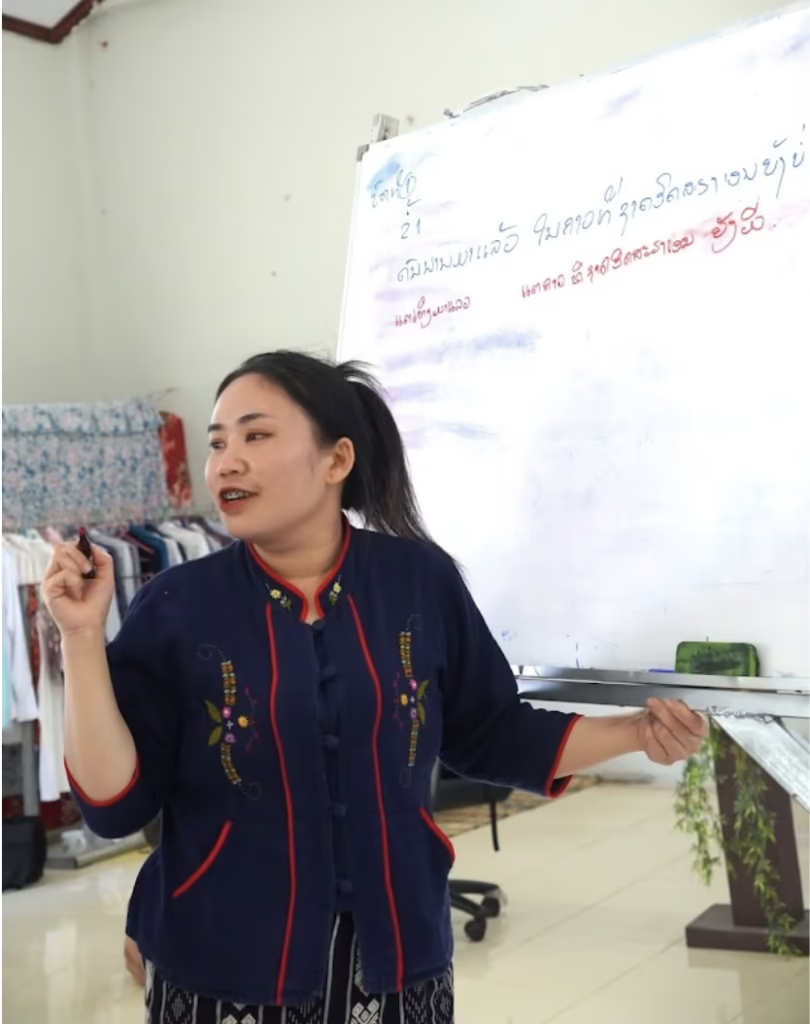
Some assume Bible translation replaces formal education. In reality, it often enables it. Translation does not compete with schooling; it complements it—especially in places where education systems are under-resourced.
By starting with heart language literacy, communities are better prepared to engage with additional languages and formal education later.
Learning
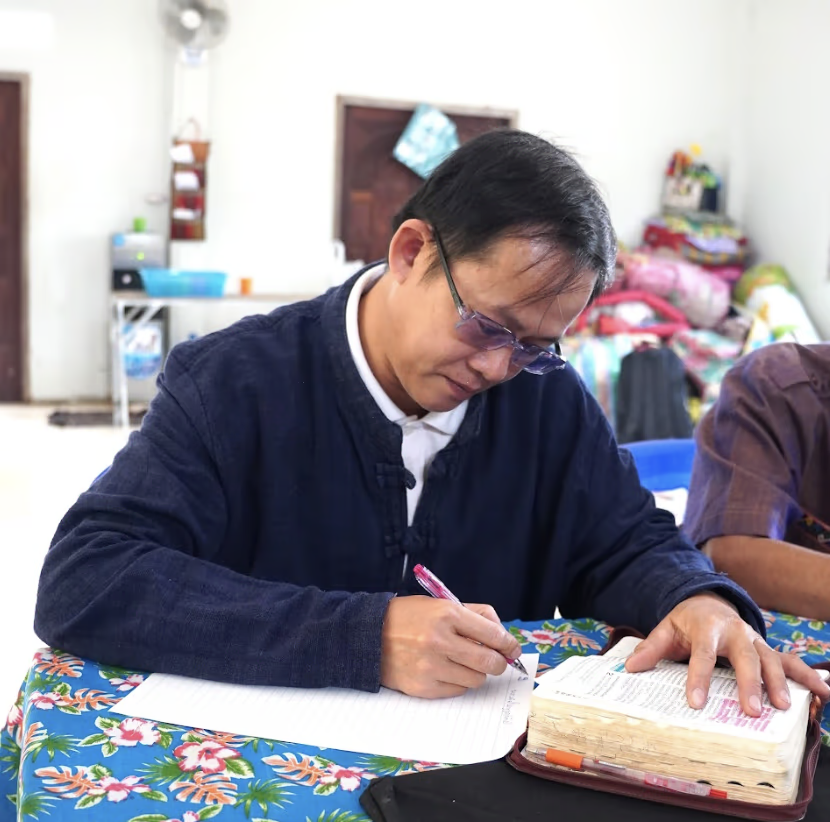
Literacy through Bible translation is a powerful driver of education in missions, creating impact that reaches far beyond Scripture alone. By enabling people to read and write in their own language, Bible translation strengthens learning, preserves culture, and empowers communities for generations. In 2026, this work continues to open doors—helping people encounter the Word of His grace with understanding, and responding with gratitude, wonder, and worship through both faith and learning.
Share:
More Posts