Literacy Projects in Asia: Teaching a Village to Read Using the New Testament

Summary
In many parts of Asia, learning to read is not guaranteed. Remote villages, minority language communities, and under-resourced regions often lack access to formal education. In these contexts, literacy projects in Asia increasingly begin not with textbooks, but with Scripture. Through Bible-based education, entire villages are learning to read—often for the very first time—using the New Testament translated into their heart language, as reflected in many impact stories from local communities across Asia.
In 2026, these projects continue to demonstrate how Bible translation and literacy grow hand in hand, aligning with the broader mission of Illuminations Asia’s work throughout the region.
Why the New Testament Is Used for Literacy
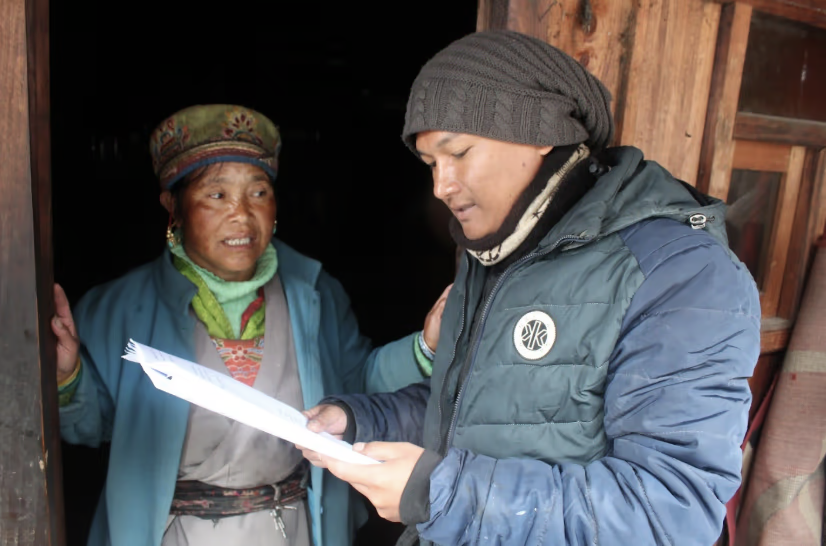
Learning Begins With Familiar Language
Literacy is most effective when people learn to read in the language they speak every day. Bible translation provides meaningful, culturally relevant text in the heart language—making learning both accessible and motivating.
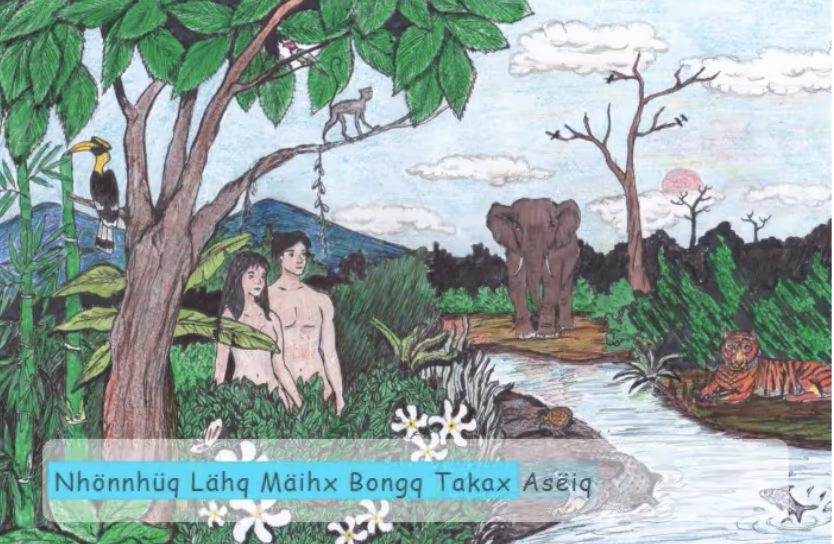
The New Testament is often the first substantial written text available in these languages, as seen in accounts of how the Word of the Lord came to previously unwritten languages. Its stories, teachings, and structure make it suitable for gradual learning, repetition, and discussion.
Motivation Through Meaning
Unlike generic reading materials, Scripture carries deep personal and communal meaning. People are more willing to invest time and effort into learning when the content speaks directly to their values, questions, and spiritual curiosity, echoing testimonies such as a long-held dream fulfilled through access to Scripture.
Bible-based education taps into this motivation.
How a Village Learns to Read Through Scripture
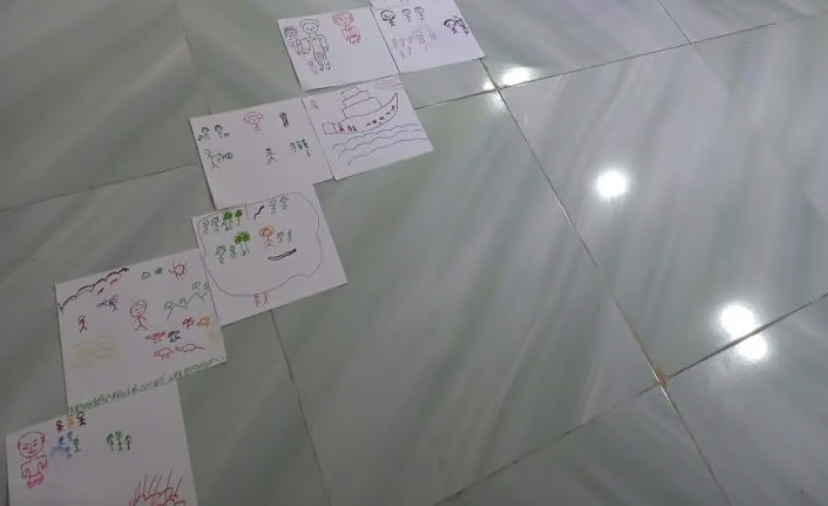
Step 1: Language Development and Translation
Before literacy can begin, the language must be documented. Translation teams work with local speakers to develop an alphabet, basic spelling rules, and reading guides. The New Testament is then translated carefully, ensuring clarity and accuracy, a process reflected in Old Testament stories shared across cultures.
This process lays the foundation for literacy.
Step 2: Community Literacy Classes
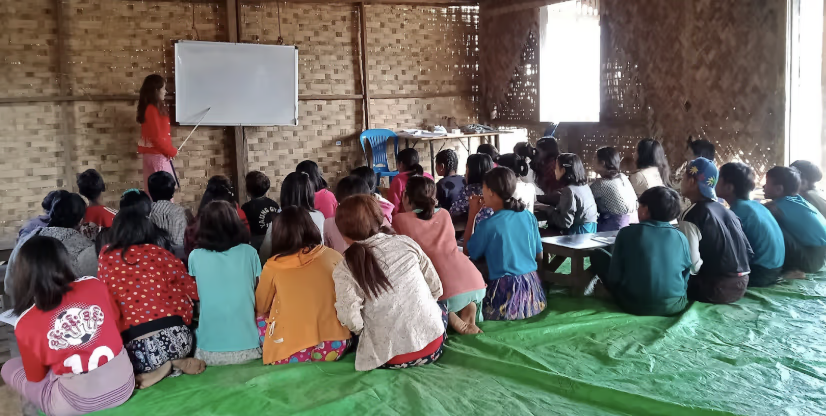
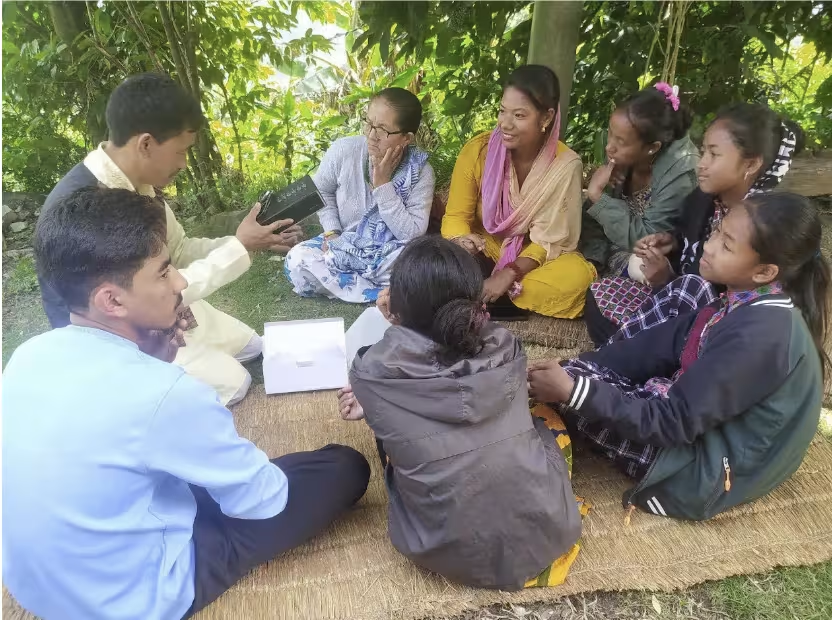
Once Scripture is available, literacy classes begin—often held in homes, community centers, or churches. Adults and children learn together, practicing reading through short New Testament passages, stories, and audio support, frequently introduced through structured rhythms such as Week 1 foundational learning journeys.
Learning becomes a shared experience, strengthening community bonds.
Step 3: Ongoing Learning and Local Ownership
As reading skills grow, communities begin creating additional materials: songs, stories, and teaching resources in their own language. Literacy becomes sustainable because it is owned locally, not dependent on outside teachers, as explored in continuing to sow in different ways.
Educational Impact Beyond Reading
Opening Doors to Education
Learning to read the New Testament often becomes the first step toward broader education. Once literacy is established, communities can access health information, agricultural knowledge, and civic resources in written form.
Bible-based education does not replace schooling—it enables it.
Preserving Language and Identity
Many villages involved in literacy projects speak minority languages at risk of disappearing. By teaching people to read in their heart language, these projects help preserve cultural identity and pass language on to future generations, as reflected across Illuminations Asia’s impact story archive.
Spiritual Impact on the Community
Understanding the Word of His Grace
As villagers learn to read, they encounter Scripture directly for the first time. The Word of His grace becomes understandable without intermediaries. Faith moves from secondhand teaching to personal engagement, as seen in testimonies like I want Jesus to save me from my lostness.
This shift deepens understanding and confidence.
Gratitude, Wonder, and Worship in Learning
Literacy classes are often filled with emotion. People express Gratitude, Wonder, and Worship as they realize they can read God’s Word themselves. Learning becomes an act of dignity and joy, not obligation.
Why These Literacy Projects Matter in 2026
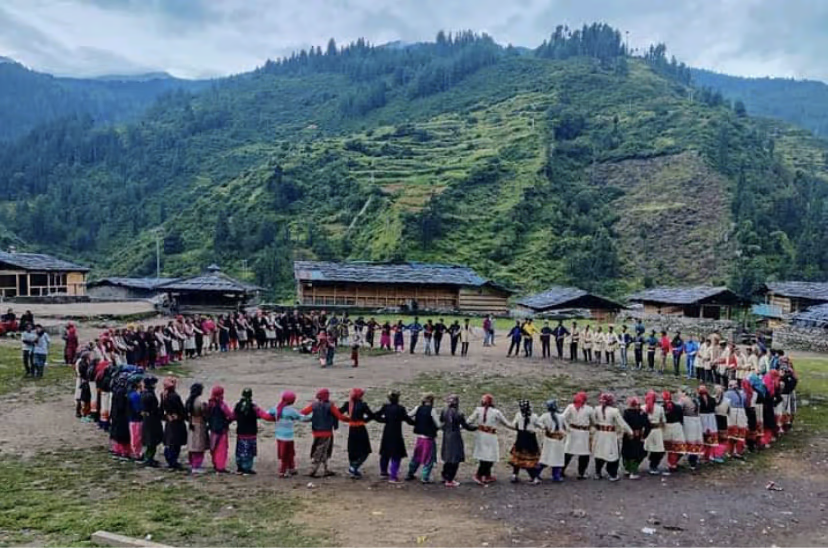
In 2026, millions across Asia still live without access to education in their own language. Literacy projects rooted in Bible translation offer a practical, respectful solution—one that aligns education with culture and community values, supported by global insights from UNESCO’s research on literacy and multilingual education.
These efforts show that Bible translation is not only about spiritual access, but about empowering people to learn, lead, and thrive.
Learning
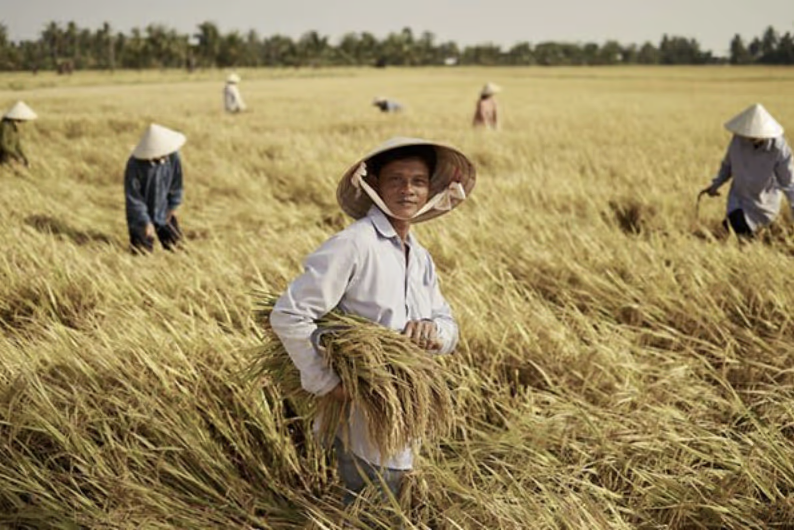
Teaching a village to read using the New Testament is one of the most tangible outcomes of literacy projects in Asia grounded in Bible-based education. Through Scripture, people gain reading skills, preserve their language, and encounter God’s Word with understanding. In 2026, these projects continue to transform communities—inviting villages into learning shaped by the Word of His grace, and responses marked by gratitude, wonder, and worship.
Share:
More Posts