Bible Translation Asia: How to Determine Whether a Language Needs the Word

Summary
With thousands of languages spoken across Asia, one important question shapes the future of missions: How do we determine whether a language needs the Word of God? In Bible translation Asia, this decision is never based on guesswork or outside assumptions. Instead, it begins when a community or a local church asks a Bible translation agency to translate Scripture into their own language, as reflected in many impact stories from language communities across Asia.
This community-initiated request is followed by a careful, respectful process that considers language access, understanding, and spiritual readiness. Understanding how language needs are identified helps explain why Bible translation remains both strategic and compassionate in 2026, aligning with Illuminations Asia’s mission work across the region.
What Does “Needing the Word” Mean?

More Than Population Size
A language needing the Word does not necessarily mean a large population or total isolation. Many languages spoken by smaller communities still lack Scripture in a form that is understandable and usable.
In Bible translation Asia, need is measured by access, not visibility. If people cannot read, hear, or understand Scripture in their heart language—and the community itself has expressed a desire for Scripture—the need remains.
Heart Language Access Matters
A community may have access to Scripture in a national or trade language, yet still struggle to understand it deeply. Often, this is why local churches or community leaders approach a Bible translation agency, saying they want God’s Word in the language their people understand best.
The Word becomes transformative when it speaks in the language of emotion, prayer, and daily life. This is why heart language access is a primary indicator of need, as seen in how the Word of the Lord came to previously unreached languages.
Key Criteria Used to Determine Language Need
1. Scripture Availability
Once a request is made by the community or church, the first assessment question is simple: Does Scripture already exist in this language?
Languages are evaluated based on whether they have:
- No Scripture at all
- Partial Scripture (such as selected portions)
- A full Bible
Languages with no Scripture—or only limited portions—are often prioritized, especially when the community has clearly requested translation, as illustrated in long-held dreams fulfilled through Scripture access.
2. Comprehension and Use
Availability does not always equal understanding. After a request is received, assessment teams ask:
- Can people understand existing translations?
- Are the texts used regularly in churches or homes?
- Do people rely on oral summaries instead of direct Scripture access?
If Scripture is rarely used or poorly understood, and the church has asked for Scripture in their own language, the language may still need translation, as reflected in structured learning and discipleship journeys.
3. Community Interest and Consent
Ethical Bible translation always begins with invitation. Communities or local churches must actively ask for Scripture to be translated into their language. This ensures dignity, respect, and local ownership.
In Bible translation Asia, no project begins unless the community or church has requested it and agreed to participate throughout the process, following principles outlined in how Bible translation projects work.
Linguistic and Cultural Assessment
Language Distinctiveness
Some communities speak dialects closely related to other languages. Linguists assess whether an existing translation can truly serve the community—or whether linguistic differences create barriers to understanding.
Even small differences can significantly affect comprehension, which is why communities often request translation specifically for their own language, as documented across Illuminations Asia’s impact story archive.
Oral Versus Written Cultures
Many Asian languages are primarily oral. When communities ask for Scripture, the assessment includes whether written text, audio Scripture, or both are needed. If people cannot access Scripture in ways that fit their communication style, the need remains unmet.
Spiritual and Missional Indicators
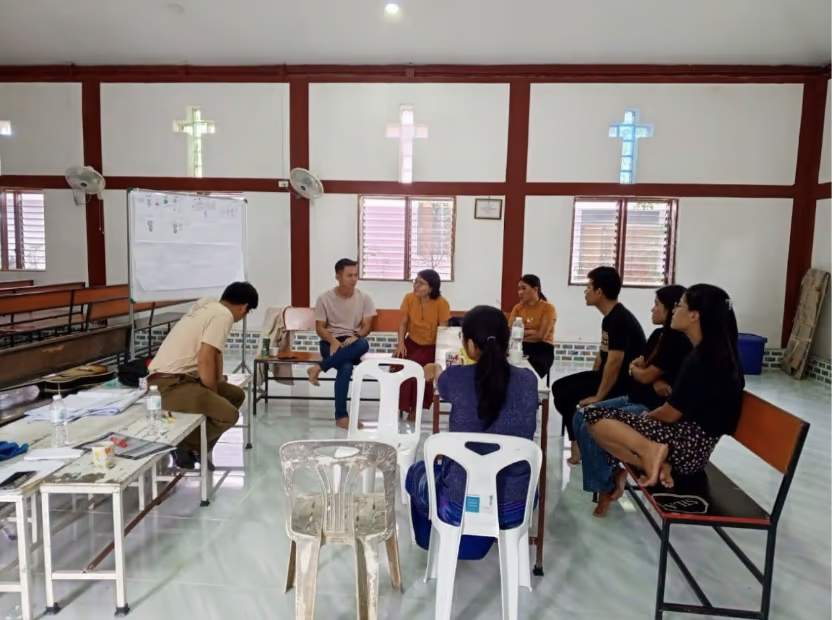
Spiritual Hunger and Engagement
Another indicator is spiritual openness expressed by the community itself. Churches and leaders often say they want their people to understand Scripture more deeply, not just hear about it secondhand.
Providing access to the Word of His grace allows people to explore faith directly rather than through intermediaries, as reflected in testimonies like I want Jesus to save me from my lostness.
Long-Term Impact Potential
Bible translation Asia also considers sustainability after a request is made: Will local leaders be able to teach, read, and pass on Scripture to future generations? Languages with strong community and church structures are well-positioned for lasting impact.
From Assessment to Action
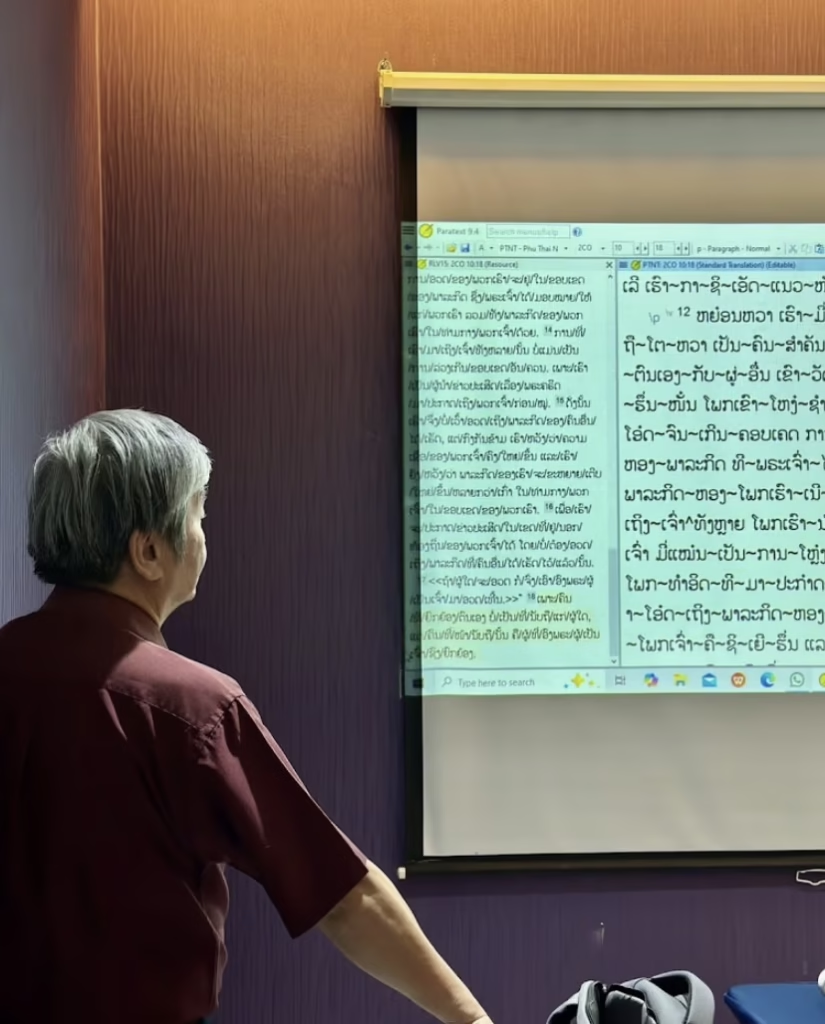
Once a community’s request is confirmed and need is established, translation planning begins. This includes training local translators from within the community, developing literacy resources, and choosing formats that fit local communication styles.
The goal is not speed, but faithfulness and clarity. When Scripture finally arrives, communities often respond with Gratitude, Wonder, and Worship—not because the Bible is new, but because it is finally understandable.
Why This Process Matters in 2026
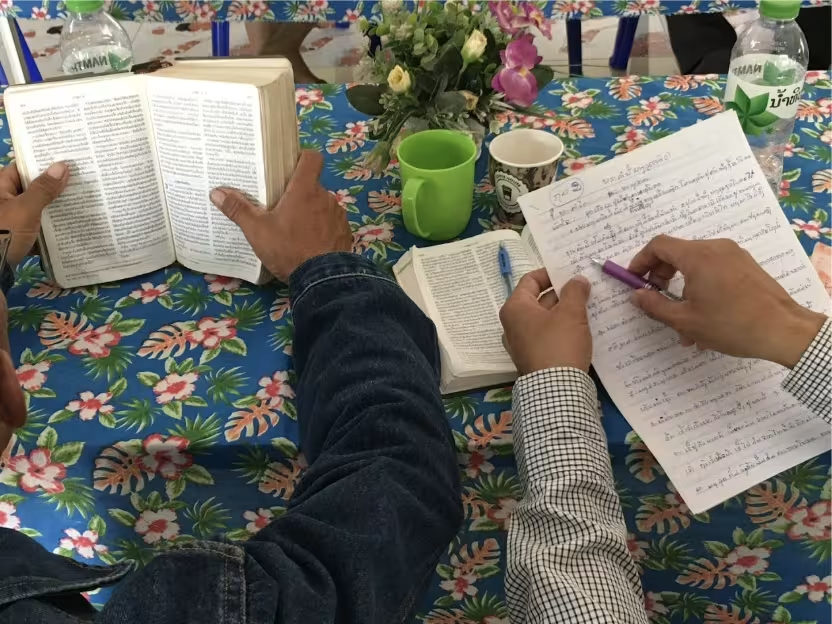
In 2026, remaining Bible translation needs are concentrated among minority and remote communities. Ensuring that translation begins with a community’s request helps steward resources wisely and ethically, aligning with global language preservation insights from UNESCO.
This process honors people, language, and Scripture equally.
Learning

Determining whether a language needs the Word is a thoughtful, community-centered process. In Bible translation Asia, translation begins because a community or local church asks for it. Language need is defined by access, understanding, and consent—not assumptions. By assessing Scripture availability, comprehension, cultural context, and spiritual readiness, translation efforts ensure that the Word of His grace reaches those who truly desire it. When it does, the result is often the same across cultures: gratitude, wonder, and worship—spoken in the language of the heart.
Share:
More Posts