Remote Volunteer Missions, Digital Missions: How You Can Volunteer Your Skills from Home


Summary
For many people, the idea of mission work has long been associated with travel—going to distant places, living in unfamiliar environments, and serving on the ground. While this remains an important part of global missions, a new pathway has emerged. Through remote volunteer missions, digital missions are now making it possible for individuals to contribute meaningfully without leaving their homes. A dedicated remote volunteer can now bridge the gap between technical expertise and spiritual need from anywhere in the world.
This shift is opening doors for people with diverse skills, schedules, and circumstances to participate in work that has a global impact—especially in areas like Bible translation.
The Rise of Remote Volunteer Missions

Advancements in technology have transformed how people connect and collaborate. What once required physical presence can now be done through digital platforms, enabling teams to work together across continents.
Remote volunteer missions are a direct result of this shift. Organizations are increasingly integrating virtual roles into their operations, allowing volunteers to support projects from anywhere in the world. This is why remote translation work has become a cornerstone of modern scripture accessibility.
This approach not only increases efficiency but also broadens participation. People who may not have been able to engage in traditional missions—due to work, family responsibilities, or health limitations—now have a way to contribute.
Why Digital Missions Matter Today
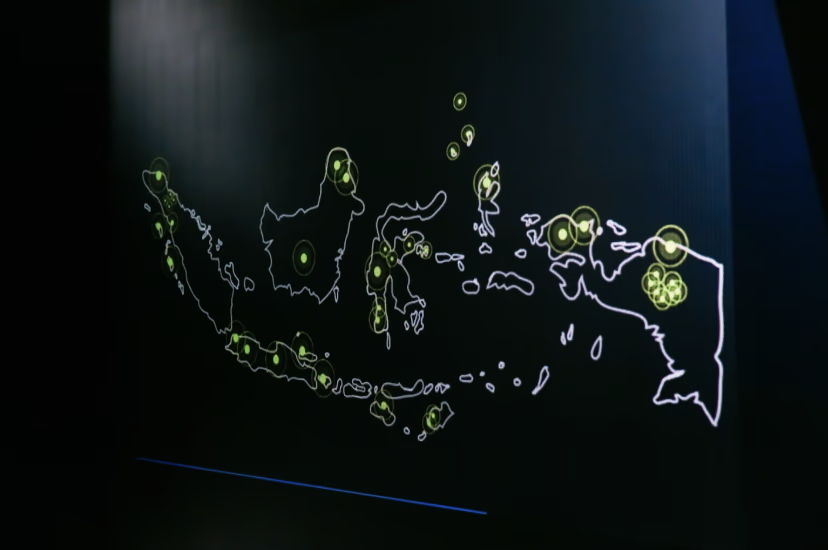
The growth of digital missions reflects both a practical need and a strategic opportunity.
Breaking Geographic Barriers
One of the most significant advantages of digital missions is the ability to overcome geographic limitations.
Volunteers no longer need to relocate to be involved in meaningful work. They can collaborate with teams in different countries, contributing their expertise in real time. We see this daily as people join our mission goals for 2026 through virtual advocacy and support.
This creates a more connected and responsive mission environment.
Expanding Access to Skills
Many mission organizations require specialized skills that are not always available locally.
Through remote volunteer missions, these skills can be accessed globally. Whether it is software development, content writing, data management, or graphic design, digital missions allow organizations to tap into a wider pool of talent. By utilizing translation software in missions, experts can provide quality assurance from thousands of miles away.
This leads to stronger, more effective projects.
Skills You Can Offer from Home

One of the most encouraging aspects of digital missions is the range of skills that can be applied.
Technology and IT Support
Tech professionals play a crucial role in supporting Bible translation efforts. They develop and maintain software, manage databases, and ensure that digital platforms run smoothly. Maintaining high levels of Bible translation accuracy often depends on the stability of these digital tools.
Even small contributions—like troubleshooting issues or optimizing systems—can significantly improve workflow.
Writing, Editing, and Translation
Strong communication skills are essential in many areas of mission work. Volunteers can assist with writing articles, editing content, and even supporting translation efforts where applicable. These roles are vital for literacy through Bible translation programs that require localized educational materials.
This type of work helps ensure that messages are clear, accurate, and accessible.
Design, Media, and Content Creation
Visual and digital content play an important role in raising awareness and engaging audiences. Designers, video editors, and content creators can contribute by developing materials that communicate the impact of Bible translation. You can see the power of this work in our impact stories, which are often brought to life by remote media volunteers.
From social media graphics to storytelling videos, these contributions help bring mission work to life.
What Remote Volunteers Actually Do

Understanding the day-to-day tasks of remote volunteers can make digital missions feel more tangible.
Supporting Bible Translation Projects
Many volunteers work directly on projects related to Bible translation. This may include formatting documents, reviewing drafts, or assisting with linguistic research. These tasks directly combat the impact of Bible poverty by accelerating the distribution of finished texts.
While these tasks may seem small individually, they contribute to a much larger goal.
Managing Digital Platforms
Volunteers also help manage the digital infrastructure that supports mission work. This includes updating websites, maintaining databases, and ensuring that online tools function properly. For more information on our specific platforms, visit the illuminations Asia homepage.
These behind-the-scenes roles are essential for keeping projects organized and accessible.
Collaborating Across Borders
Remote volunteers often work with teams from different cultural and geographic backgrounds. This requires clear communication, flexibility, and a willingness to learn.
Collaboration tools make this possible, but the human element remains key. Building trust and understanding within a virtual team is just as important as completing tasks. According to Charity Navigator, the rise of virtual volunteering has allowed nonprofits to reduce overhead costs while increasing global reach.
Getting Started with Digital Missions
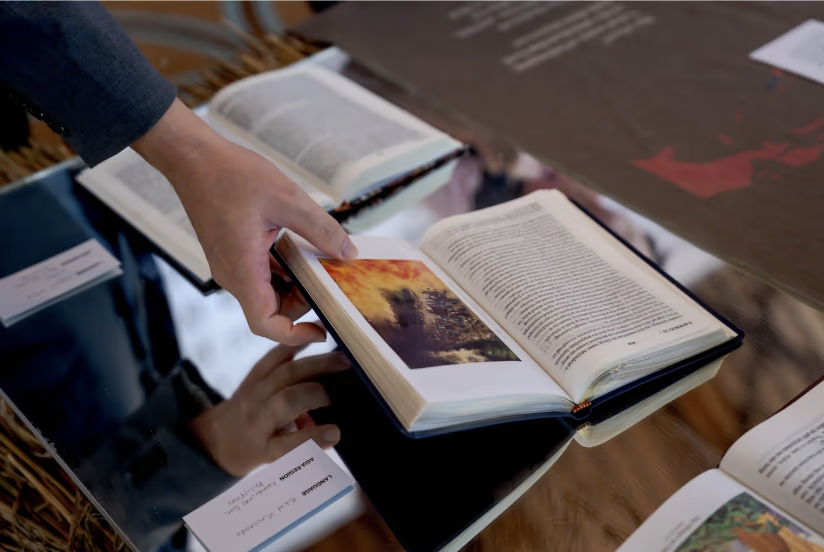
For those interested in getting involved, the process is more accessible than many expect.
Finding the Right Opportunity
The first step is identifying where your skills can be most effectively used. Many organizations offer listings of remote volunteer missions, outlining specific roles and requirements.
Preparing for Meaningful Contribution
Before beginning, it is important to understand the context of the work. This includes learning about the organization, the communities they serve, and the goals of the project.
Staying Consistent and Impactful
Consistency is key in digital missions. Even if you can only dedicate a few hours each week, regular involvement can lead to meaningful progress over time.
Learning
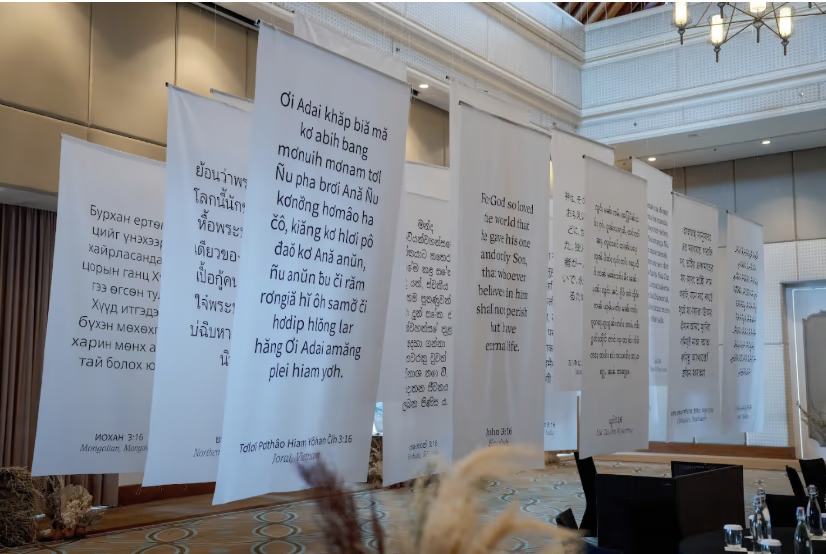
Remote volunteer missions, digital missions are redefining what it means to serve. They show that impact is not limited by location, but shaped by willingness and skill.
From behind a screen, volunteers are helping bring Scripture to life in languages around the world—supporting teams, strengthening systems, and contributing to a mission that continues to grow.
Share:
More Posts