Impact of Bible Poverty: The Hidden Cost of Spiritual Hunger


Summary
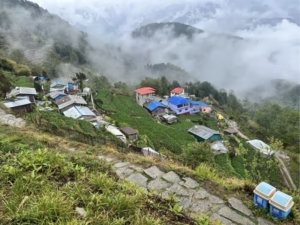
Bible poverty is often described in numbers—languages without Scripture, people groups still waiting, translation progress percentages. But behind those figures lies a deeper reality. The impact of Bible poverty is not only logistical or linguistic; it is profoundly spiritual. Where Scripture is absent in a heart language, spiritual hunger grows quietly, often unseen, especially across regions highlighted in Mapping the Multilingual Mosaic of East Asia.
In 2026, understanding this hidden cost helps reveal why Bible translation remains essential.
What Is Bible Poverty?
More Than the Absence of a Book
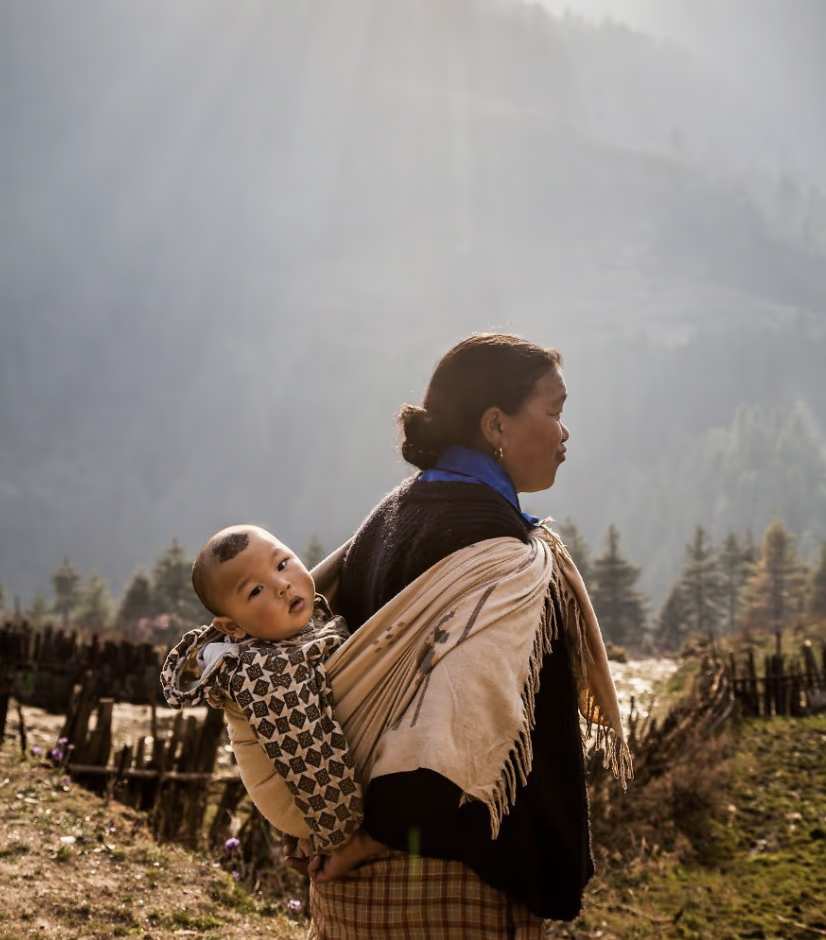
Bible poverty refers to the lack of access to Scripture in a language people understand deeply and naturally. It does not mean people lack faith or curiosity about God. In many communities, spiritual interest is strong—but access is limited.
When Scripture is available only in a second or national language, understanding becomes partial. Faith is mediated through others instead of experienced personally, as explored in All Access Goals: Scripture Without Borders.
Spiritual Hunger Without Nourishment
Spiritual hunger describes the longing to know God, understand truth, and find meaning. Without Scripture in a heart language, this hunger often remains unmet—not because God is distant, but because His Word is linguistically out of reach.
The Personal Cost of Bible Poverty
Faith Without Understanding
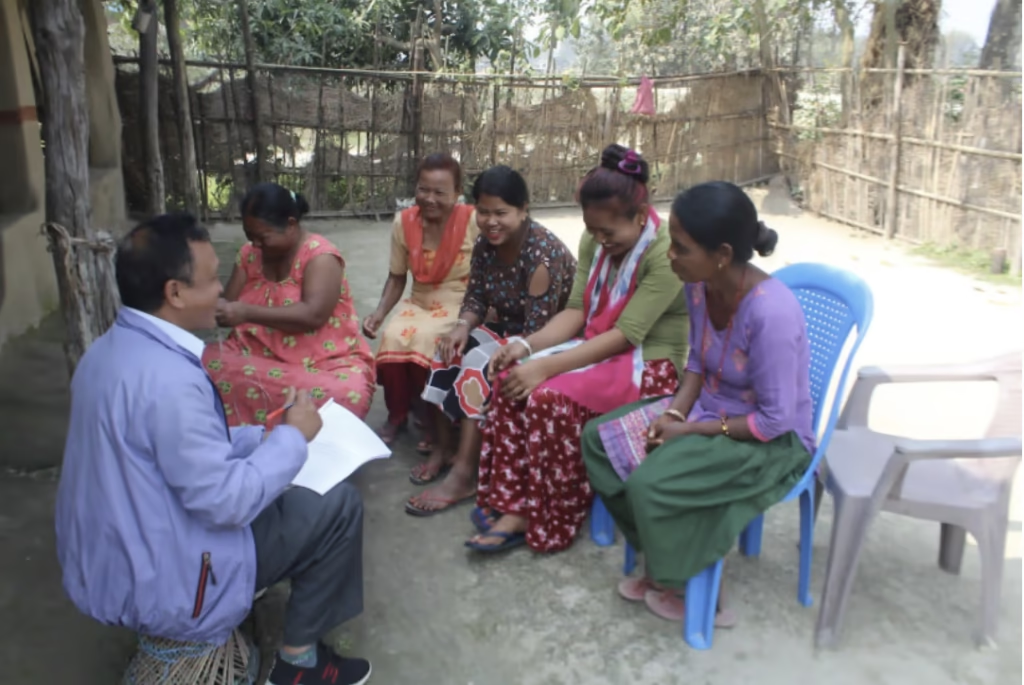
For individuals, Bible poverty can lead to faith that feels shallow or confusing. Teachings may be heard but not fully understood. Questions go unanswered. Personal reflection is limited.
Without direct access to Scripture, believers often rely on summaries, oral teaching, or external interpretation. While helpful, these cannot replace personal engagement with God’s Word—an issue reflected in stories like I Want Jesus to Save Me from My Lostness.
Limited Access to the Word of His Grace
When Scripture is unavailable in a heart language, the Word of His grace may feel distant or abstract. Grace, forgiveness, and hope are heard—but not always felt. Language shapes how deeply truth is received.
The Community Cost of Bible Poverty
Churches Without a Foundation
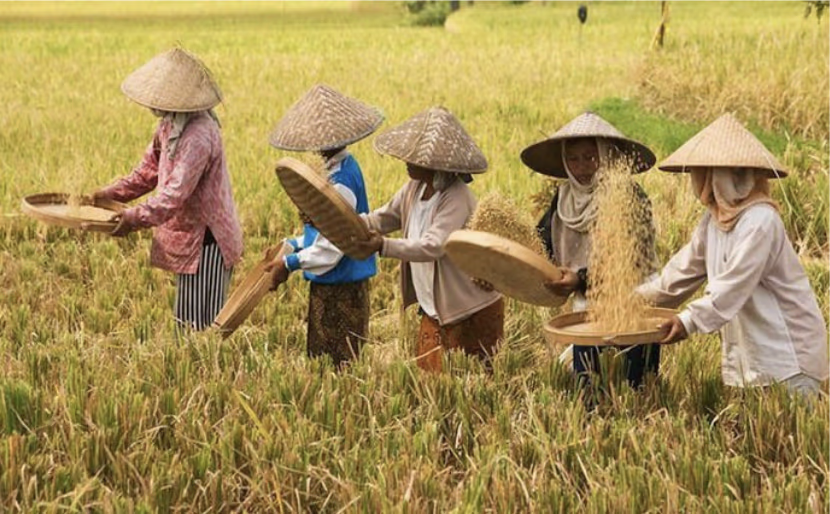
Communities experiencing Bible poverty often struggle to develop strong, self-sustaining churches. Leaders may lack confidence in teaching Scripture. Discipleship depends heavily on outside resources.
When the Bible becomes accessible, churches grow healthier. Teaching becomes clearer. Faith becomes rooted rather than borrowed, as seen in 25 Old Testament Stories.
Lost Opportunities for Worship
Worship is deeply connected to language. When Scripture is unavailable in a heart language, worship may rely on translated songs or unfamiliar expressions. This limits emotional connection and cultural authenticity.
When people hear God’s Word in their own language, worship often overflows with Gratitude, Wonder, and Worship—a response also echoed in Voices in the Void: Seeking Spiritual Soundbites in Asia.
The Generational Cost of Bible Poverty

Faith That Struggles to Transfer
Bible poverty affects not only the present generation, but those that follow. Children growing up without Scripture in their heart language may inherit faith practices without fully understanding their foundation.
Translation changes this trajectory. When Scripture is accessible, faith can be taught, questioned, and lived out across generations, supported by the process outlined in How Bible Translation Works.
Language and Identity at Risk
In many minority communities, Bible translation also helps preserve language and cultural identity. Without written or oral Scripture resources, languages risk fading—taking stories, expressions, and worldview with them.
This relationship between language and faith is widely supported by linguistic research from UNESCO on language preservation and cultural identity.
Why This Hidden Cost Matters in 2026

Bible poverty is often invisible to those who already have access to Scripture. Yet for millions, spiritual hunger remains unresolved simply because God’s Word is not available in a language that speaks to the heart.
Addressing Bible poverty is not about convenience—it is about dignity, understanding, and inclusion, central to the vision of Pray for Zero Bibleless and the wider mission of illumiNations Asia.
Responding to Bible Poverty

Bible translation is the most effective response to the hidden cost of Bible poverty. Through careful, community-centered translation, Scripture becomes accessible, understandable, and transformative.
It invites people to encounter God directly—without linguistic barriers—and participate meaningfully through movements like Join the illumiNations Asia Movement.
Learning

The impact of Bible poverty goes far beyond missing pages. It shapes personal faith, community strength, and generational hope. Where Scripture is absent, spiritual hunger persists quietly. But where God’s Word becomes available in a heart language, lives are changed. In 2026, addressing Bible poverty remains essential—not only to provide access, but to nourish spiritual hunger with the living Word of His grace, leading communities into gratitude, wonder, and worship.
Share:
More Posts